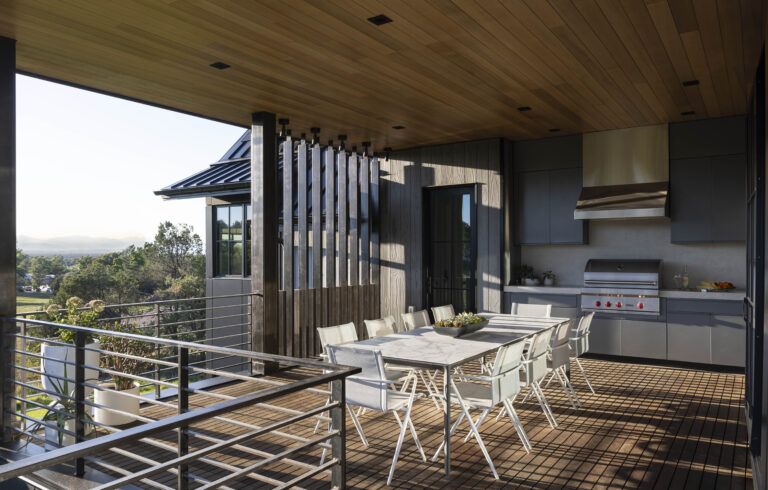
One of the first questions we hear from homeowners considering a custom home is: “How much does it cost?”

One of the first questions we hear from homeowners considering a custom home is: “How much does it cost?”
It’s a fair question, and one we wish we could answer simply. The reality is that custom home pricing rarely fits into a single number or even a tight range.
Online cost-per-square-foot estimates can be useful as a starting point, but in our experience with 80+ custom homes, they often miss the factors that truly drive cost which can lead to unrealistic expectations early in the process.
In Denver and the surrounding areas, custom home costs are shaped by a combination of design decisions, site conditions, materials, and planning choices. Understanding these variables early is one of the best ways to avoid surprises later.
Why Cost Per Square Foot Can Be Misleading
Cost per square foot feels simple, which is probably why it comes up so often. But in our experience, it rarely tells the full story.
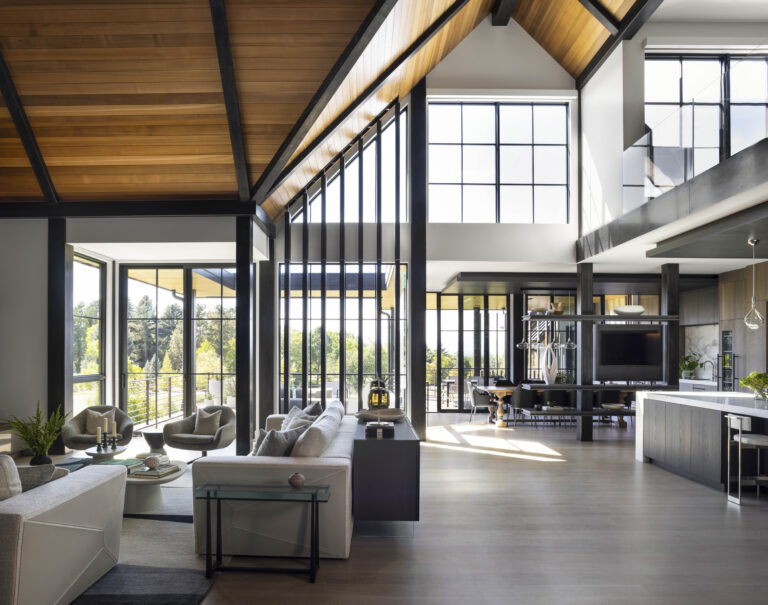
Two homes with identical square footage can have vastly different costs depending on ceiling heights, structural complexity, window packages, finish levels, and mechanical systems. A home with large spans, custom steel, extensive glazing, or specialty materials will cost significantly more than a more straightforward structure, even at the same size.
Basements, garages, and outdoor living spaces further complicate comparisons; some estimates include them, others don’t. Without clarity on what’s being measured, cost-per-square-foot figures can create confusion rather than clarity.
How Design Decisions Influence Cost
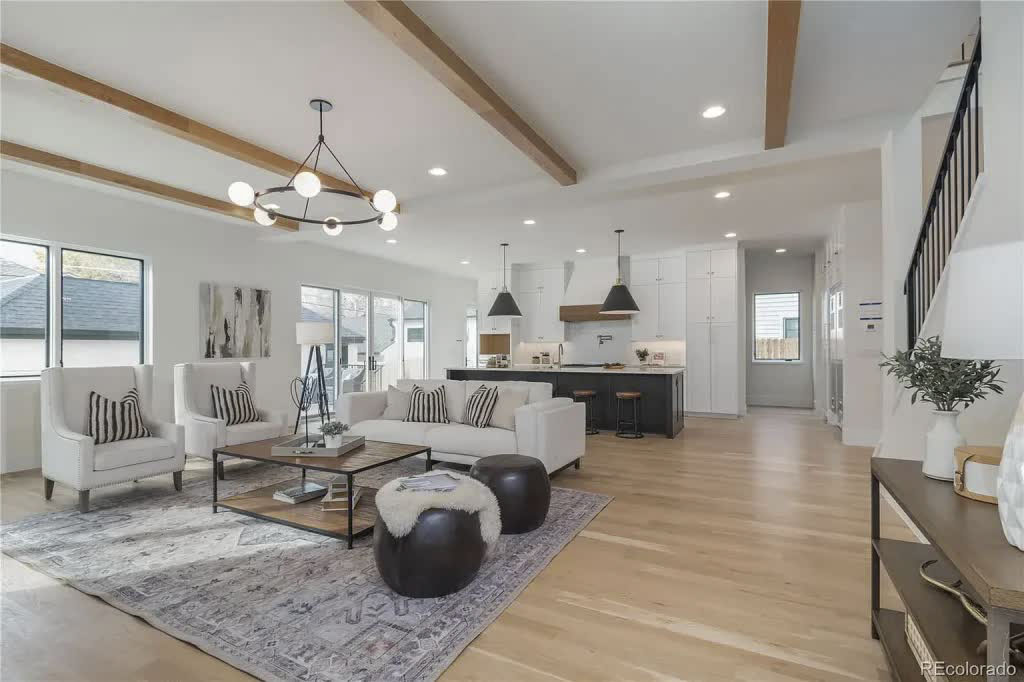
From what we’ve seen, design decisions have one of the biggest impacts on budget. Architectural complexity, rooflines, cantilevers, and custom details all require additional labor, engineering, and coordination.
When design is developed without construction input, homeowners sometimes discover that the cost exceeds their initial expectations. At that point, scaling back a completed design can mean starting over or compromising on features that were originally priorities.
Early collaboration between the builder and design team can help align vision and budget before plans are finalized, something we’ve found makes a significant difference in how smoothly projects move forward.
The Role of Site Conditions
The lot itself plays a major role in cost and is often underestimated.
Factors such as slope, soil conditions, access, utility availability, and demolition requirements all affect excavation, foundations, and construction logistics. A flat, easily accessible lot with existing utilities will typically cost less to build on than a sloped or constrained site.
In Denver, zoning requirements, setbacks, and neighborhood constraints also influence how a home can be designed and built. These vary widely by location, and local experience helps navigate them more effectively.
Market Conditions and Timing
Material pricing and labor availability fluctuate over time. While these factors are largely outside anyone’s control, understanding that pricing isn’t static helps set realistic expectations.
We’ve found that contingency planning isn’t about pessimism, it’s about acknowledging uncertainty and planning responsibly.
A Better Way to Think About Budget
Rather than focusing on a single number, successful custom home projects tend to begin with open conversations about priorities, tradeoffs, and comfort ranges.
In our experience, when homeowners understand where costs come from and why they vary, decisions become clearer and projects run more smoothly. Every project is different, but this approach has worked well for the homes we’ve built.
What questions does this raise about your specific situation? We’re happy to talk through how these factors might apply to your project.