Building a custom home is one of the most significant financial decisions most people ever make. In Denver, where land is limited, costs are high, and the luxury market is competitive, choosing the right builder is not a decision you want to rush. There is no shortage of contractors who will tell you what you …
Building a custom home is one of the most significant financial decisions most people ever make. In Denver, where land is limited, costs are high, and the luxury market is competitive, choosing the right builder is not a decision you want to rush.
There is no shortage of contractors who will tell you what you want to hear to win the job. What is harder to find is a builder with the experience, track record, and communication style to actually deliver on what they promise. This guide walks you through what to look for, what questions to ask, and what red flags to watch out for when evaluating custom home builders in Denver.
What Makes a Custom Home Builder Different from a General Contractor
Not every contractor who builds homes is a custom home builder in the true sense. A custom home builder specializes in one-of-a-kind homes built to a specific client’s vision on a specific piece of land. They are not producing homes from a catalog of floor plans. They are working from the ground up, often alongside architects, designers, and engineers, to bring a project to life that has never been built before.
That distinction matters because it changes the skill set required. Custom home building demands deep knowledge of local building codes, subcontractor relationships, material sourcing, scheduling, and budget management at a level that generalist contractors may not have. When something unexpected happens during a build, and it always does, a custom builder knows how to adapt without derailing the project.
The Denver Custom Home Market: What You Are Working With
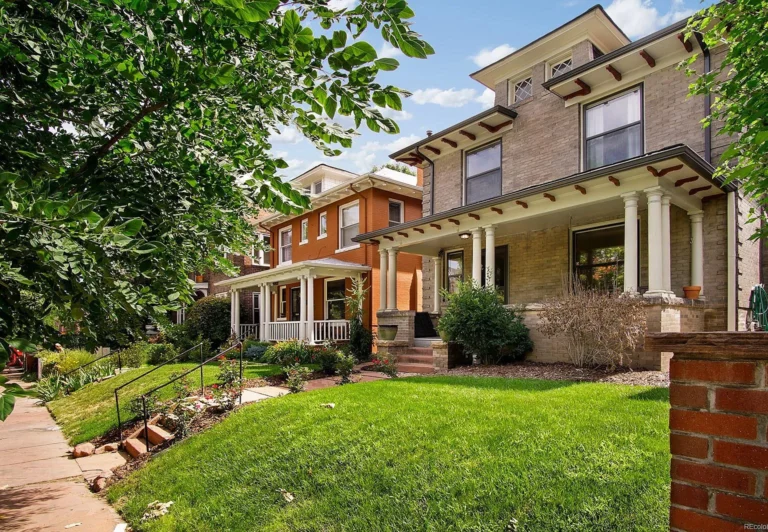
Denver’s luxury custom home market is concentrated in a handful of communities: Cherry Hills Village, Greenwood Village, Castle Pines, Evergreen, Golden, and select neighborhoods closer in like Hilltop and Washington Park. These are established areas with high land values, strong neighborhood character, and in many cases, strict HOA or municipality requirements that affect what you can build and how.
Custom homes in these markets typically range from $1,000,000 on the lower end to $2,500,000 and above for larger or more complex projects. At that price point, who you hire matters enormously. You are not just buying a finished product. You are entering into a multi-year relationship with a builder who will be responsible for hundreds of decisions that affect your daily life for decades.
What to Look for in a Denver Custom Home Builder
Local Experience and Neighborhood Knowledge
Building in Cherry Hills Village is different from building in Evergreen, which is different from building in Greenwood Village. Local knowledge matters. A builder who has completed multiple projects in your target neighborhood understands the soil conditions, the local permitting office, the HOA requirements, and the subcontractors who do quality work in that area. That knowledge saves time and money.
Ask any builder you are considering: how many homes have you completed in this neighborhood or city? Can I speak with those homeowners? A builder with real local experience will have real references to offer.
A Portfolio of Completed Work You Can See and Touch
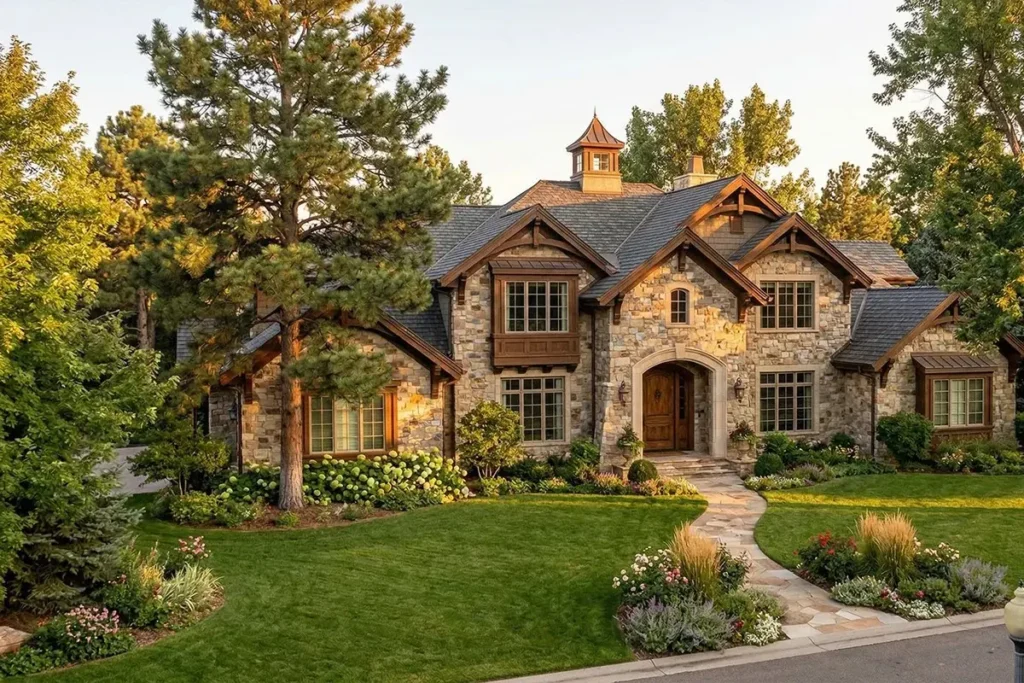
Photographs on a website are a starting point, not a finish line. Before you hire any custom builder, ask to see completed projects in person. Walk through a home they built. Look at the quality of the trim work, the fit and finish of cabinetry, the transitions between materials. A builder who is proud of their work will welcome that request.
If a builder cannot or will not show you completed work, that is a meaningful data point.
Proper Licensing and Insurance
In Colorado, residential contractors are required to be licensed through the state or local municipality depending on the type of work. General liability insurance and workers’ compensation coverage are not optional for a legitimate operation. Ask for proof of both before you sign anything.
Industry memberships like the National Association of Home Builders (NAHB) signal that a builder is invested in staying current with best practices and industry standards. These are not guarantees of quality, but they are indicators that a builder takes their profession seriously.
Transparent Communication and a Clear Process
One of the most common complaints homeowners have about contractors is poor communication. Not knowing where things stand, not getting answers to questions, finding out about problems after they have already become expensive. A good custom builder has a defined process for keeping clients informed throughout the project.
Ask any builder you are considering: how do you communicate with clients during a build? How often will I hear from you? Who is my point of contact if I have a question or a concern? The answers will tell you a lot about what working with them will actually be like.
Personal Involvement from the Builder Themselves
In larger construction companies, the person who sells you the project is often not the person who builds it. You meet a principal or a salesperson, you sign a contract, and then you are handed off to a project manager you have never met. That is a real dynamic in this industry, and it is worth asking about directly.
For a project of this scale, you want the person leading your build to be someone with experience, accountability, and a personal stake in the outcome. Ask: will you personally be involved in my project? Who specifically will be on site managing the work?
A Detailed Written Proposal
Any builder worth hiring will provide a detailed written proposal that spells out the scope of work, materials and specifications, payment schedule, timeline, and how change orders will be handled. A vague proposal is a warning sign. It means either the builder has not thought through the project carefully, or they are intentionally leaving room to add costs later.
Compare proposals from multiple builders carefully. Make sure they are based on the same scope. A significantly lower bid is not always better. It may mean something important was left out.
Red Flags to Watch For
As you evaluate builders, watch for these warning signs:
- Pressure to sign quickly or limited-time pricing offers
- Reluctance to provide references or let you see completed work in person
- Vague or overly simple proposals without detailed line items
- Inability to provide proof of licensing and insurance
- A bid that is dramatically lower than others without a clear explanation
- Poor communication or slow response times during the proposal phase
- No clear answer about who will personally manage your project
How a builder behaves before you sign a contract is a preview of how they will behave once you are a client. If something feels off early in the process, pay attention to that instinct.
Questions to Ask Before You Hire a Custom Home Builder in Denver
Use these questions during your initial conversations with any builder you are seriously considering:
- How many custom homes have you completed in the Denver metro area, and specifically in my target neighborhood?
- Can I speak with homeowners from recent projects?
- Are you personally involved in the projects you take on, or do you hand them off to a project manager?
- How do you handle change orders and unexpected costs?
- What does your communication process look like during a build?
- Can you walk me through your proposal and explain what is and is not included?
- What is your current capacity, and how many projects are you managing at the same time?
Once you have a shortlist, our guide on how to vet a custom home builder before signing anything walks through contracts, allowances and red flags.
Why Anderson Construction
Anderson Construction has been building custom homes in the Denver metro area since 2006. Ben Anderson founded the company and has personally led every project since. The company works primarily in Cherry Hills Village, Greenwood Village, Castle Pines, Evergreen, Golden, and surrounding communities.
Anderson Construction is a licensed Colorado contractor and a member of the National Association of Home Builders. Every project Ben takes on gets his personal attention from the first conversation through move-in day. If you want to talk through what building a custom home in Denver actually looks like, reach out to schedule a discovery call.
Frequently Asked Questions
How do I find a reputable custom home builder in Denver?
Start with referrals from people who have been through a custom build in Denver. Look at online reviews on Google and Houzz. Ask builders for references from completed projects in your target neighborhood, and actually follow up with those homeowners. A builder with a strong reputation will have no problem connecting you with past clients.
How much does it cost to build a custom home in Denver?
Custom home costs in Denver’s luxury market typically range from $1,000,000 to $2,500,000 and above depending on the size, location, site conditions, and finish level. Land cost is separate from construction cost. Getting an accurate number requires a defined scope of work and a site assessment.
What is the difference between a custom home builder and a production builder?
A production builder constructs homes from a set of pre-designed floor plans, often in planned communities or subdivisions. A custom home builder works from scratch to design and build a home specific to a client’s land, preferences, and vision. The process, the timeline, and the level of personalization are all significantly different.
How long does it take to build a custom home in Denver?
From design and permitting through construction and completion, a custom home in Denver typically takes 12 to 24 months depending on the complexity of the project and the efficiency of the permitting process. More complex projects or those with significant site challenges can take longer.
Do I need an architect before hiring a builder?
Not necessarily. Some homeowners bring a builder in early, before or alongside an architect, which can help ensure the design stays aligned with the construction budget. A builder who understands design can add real value to the early planning process by flagging cost implications before they are locked into plans.
What should be included in a custom home builder’s contract?
A solid construction contract should include a detailed scope of work, material and finish specifications, a payment schedule tied to project milestones, a timeline with key dates, a process for handling change orders, warranty terms, and a dispute resolution clause. If a contract is missing any of these, ask why before you sign.