Renovations are rarely linear. Learn how to navigate hidden structural issues and real-world decision-making to turn your vision into a functional home.

Every renovation project starts with a vision, but the path from concept to completion is rarely linear. Looking at real project examples can help explain what actually happens during a renovation, beyond what finished photos can show.
Understanding the Homeowners’ Goals
At the start of any renovation, we’ve found it’s important to understand how the homeowners want the space to function. This includes lifestyle needs, long-term plans, and how the renovated areas will be used day to day.
Clear goals provide a framework for evaluating decisions as the project progresses and can help prevent scope drift though some evolution is natural as homeowners see the space take shape.
Understanding What’s Already There
Unlike new construction, renovations require adapting to what already exists. Once walls, floors, and ceilings are opened, it’s common to uncover conditions that weren’t visible during planning.
These findings may affect framing, mechanical systems, or structural elements. In our experience, addressing them requires thoughtful problem-solving rather than quick fixes.
Decision-Making During Construction
Even with strong planning, renovation projects involve ongoing decisions. Materials, finishes, and detailing choices often arise during construction.
We’ve found that having a clear process for reviewing options and understanding tradeoffs helps maintain momentum without unnecessary delays.
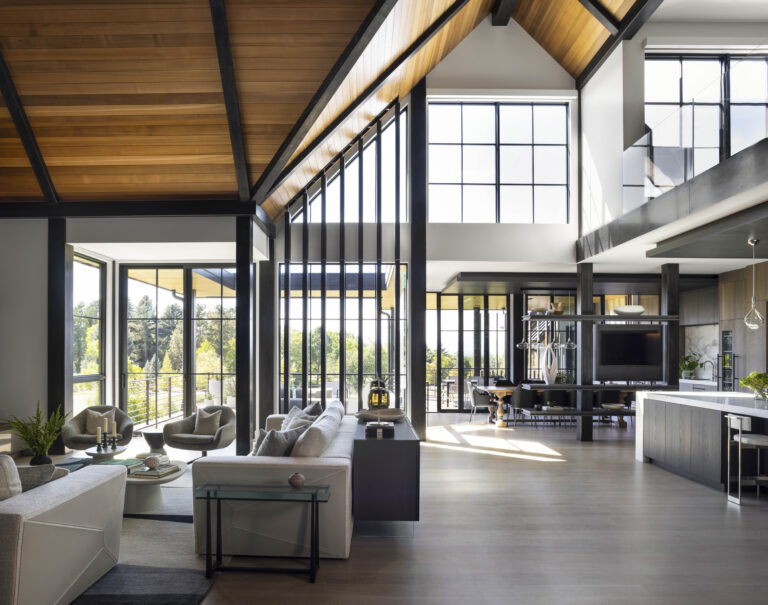
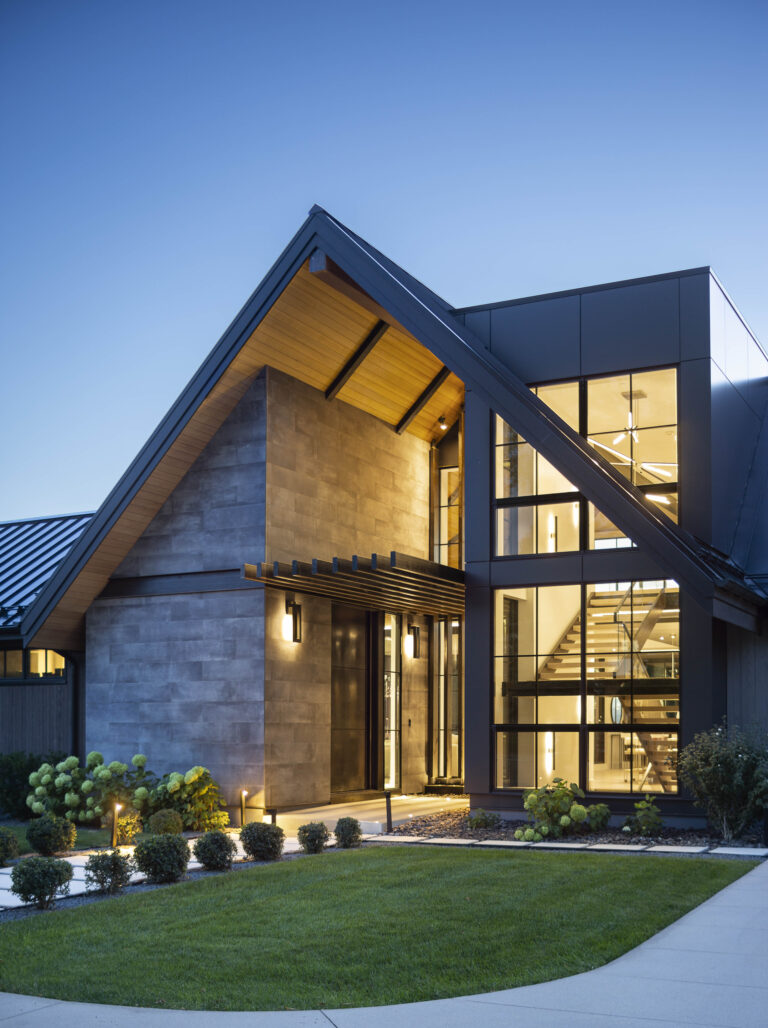
Looking at the Finished Result
In our view, the success of a renovation is measured not only by the final appearance, but by how well the space functions and how the process was managed.
Project examples can demonstrate how planning, communication, and follow-through contribute to successful outcomes though what success looks like varies for different homeowners.
Curious about how a renovation project might unfold in your home? We’re happy to walk through similar examples that might relate to what you’re considering.