Planning exterior work in Denver? Learn how altitude, afternoon storms, and seasonal contractor schedules affect siding, roofing, and outdoor projects when you choose between summer and fall.
You're ready to replace your siding, reroof your home, or build that outdoor living space you've been planning for years. The scope is clear, the budget is set, but one question keeps coming up: should you start this summer or wait until fall?
In Denver, that decision matters more than in most cities. Our 5,000-foot elevation changes how materials cure, afternoon storms can shut down a job site for hours, and contractor availability swings wildly between June and October. Choosing the wrong window can add weeks to your timeline or leave finishes vulnerable during the season's first freeze. Homeowners who've been burned by poor timing often tell us they wish they'd understood Denver's specific weather patterns before signing a contract. Here's what you need to know about denver exterior renovation services and how seasonal timing affects every phase of your project.
Why Exterior Renovation Timing Matters in Denver
Denver's climate isn't just about snow in winter and sun in summer. Altitude amplifies UV exposure, afternoon thunderstorms roll in with little warning from May through September, and temperature swings of 40 degrees in a single day are common in spring and fall. Each of those factors directly impacts exterior work.
Material Curing and Temperature Extremes
Paint, stain, caulk, and adhesives all have minimum temperature windows for proper curing. James Hardie siding installation requires temperatures above 40°F, and most exterior paints need at least 50°F to cure correctly. Summer gives you consistent daytime highs in the 80s and 90s, but fall brings unpredictable cold snaps that can halt work mid-project.
At 5,000 feet, materials also dry faster than at sea level. That sounds helpful until you're working with products that need slower curing for proper adhesion. Experienced crews adjust application methods for Denver's low humidity and intense UV, but timing still plays a role. A crew working in late August has more margin for error than one racing to finish in mid-October before the first hard freeze.
Afternoon Storms and Job Site Delays
If you've lived in Denver for more than one summer, you know the pattern. Clear skies at 10 a.m., dark clouds by 2 p.m., torrential rain and hail by 3 p.m., sunshine again by 5 p.m. Those storms are a fact of life from June through early September, and they shut down exterior work the moment lightning appears within ten miles.
A summer exterior renovation means planning around storm delays. Roofing crews can't work on wet decking, siding installers can't seal joints in the rain, and painters lose entire afternoons waiting for surfaces to dry. Fall reduces storm frequency dramatically. By mid-September, afternoon thunderstorms taper off, and you gain longer uninterrupted work windows. One Cherry Hills Village client told us their September siding project finished two weeks faster than their neighbor's July job, simply because the crew worked full days without weather interruptions.
Contractor Availability and Scheduling
Summer is peak season for exterior home renovations denver contractors handle. Everyone wants their project done before school starts or the holidays arrive, so schedules fill up fast. If you're booking in June for a July start, expect limited flexibility on timelines and higher demand for quality crews.
Fall is different. Many homeowners assume exterior work stops after Labor Day, so they don't even call. That creates opportunity. Contractors who were booked solid in July often have openings in September and October. You get more attention from project managers, faster response times on questions, and crews who aren't juggling three jobs at once. We've worked with clients who scheduled fall projects and appreciated the extra communication and site presence that comes with a less frantic calendar.
Summer Exterior Renovations: Advantages and Trade-Offs
Summer offers the longest daylight hours, the most consistent warm temperatures, and the psychological comfort of "construction season." But it also brings trade-offs that affect cost, timeline, and project quality.
Longer Daylight and Consistent Heat
June and July give you 15-hour days and reliable warmth. Crews start earlier, work later, and don't lose time to frozen ground or early sunsets. For large projects like whole-home siding replacement or complex deck builds, those extra daylight hours add up. A project that takes eight weeks in October might finish in six during July, simply because crews can put in ten-hour days without working under lights.
Heat also accelerates curing for most materials. Exterior stains, sealants, and paints reach full cure faster in 85-degree heat than in 60-degree fall temperatures. That's an advantage if your timeline is tight and you need finishes to harden quickly.
Storm Delays and Unpredictable Afternoons
The downside is weather unpredictability. A roofing project scheduled for two weeks can stretch to three if storms roll through every afternoon. Contractors build weather delays into summer estimates, but that doesn't make the waiting easier. You're paying for a dumpster, your yard is torn up, and the project drags on because no one can control Colorado's monsoon season.
Hail is the other risk. Denver sees more hail events than almost any metro area in the country. A summer storm can damage freshly installed siding or dent new gutters before the job is even finished. Contractors carry insurance, but dealing with a hail claim mid-project adds stress no homeowner wants.
Peak Pricing and Limited Crew Flexibility
Demand drives cost. Summer is when every homeowner in Greenwood Village, Castle Pines, and Evergreen wants their exterior work done. Quality contractors charge accordingly, and their schedules fill months in advance. If you need a project done by August, you're often booking in March or April.
You also lose flexibility. A crew booked back-to-back can't easily adjust start dates if your permit is delayed or if you need an extra week to finalize material selections. The calendar is locked, and everyone moves to the next job the moment yours wraps.
Fall Exterior Renovations: Advantages and Trade-Offs
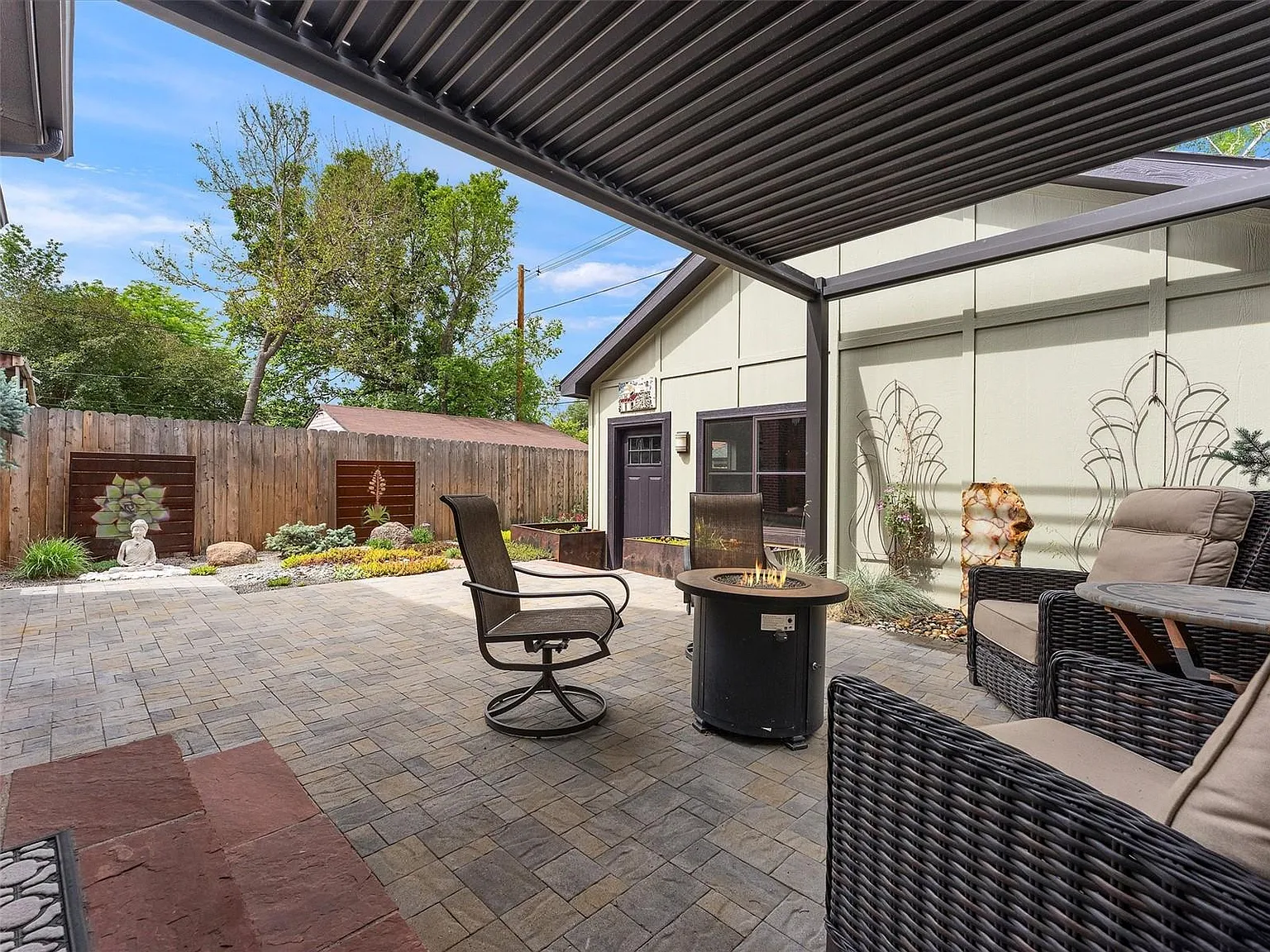
Fall in Denver is stunning. Crisp mornings, stable weather, and mountain views framed by golden aspens. It's also an underrated window for exterior work, especially for homeowners who understand the trade-offs.
Stable Weather and Fewer Storm Interruptions
September and October bring some of the most predictable weather Denver sees all year. Afternoon storms drop off sharply after Labor Day, and temperatures stay mild enough for most exterior materials to cure properly. Crews work full days without lightning delays, and project timelines tighten up.
One Evergreen client scheduled a full siding replacement and deck build for late September. The crew worked ten consecutive days without a single weather delay. Compare that to a summer project where three storm days in two weeks pushed the timeline out by nearly a month. Fall doesn't guarantee perfect weather, but the odds shift in your favor.
Temperature Variability and Cold Snaps
The risk is temperature swings. A warm 70-degree day in early October can drop to 30 degrees overnight. If your project involves materials that need sustained warmth to cure, those swings create problems. Exterior paint applied at 2 p.m. in 68-degree sun might not cure correctly if temperatures drop to 35 degrees by midnight.
Experienced contractors plan around this. They monitor forecasts closely, avoid starting temperature-sensitive work late in the day, and sometimes use additives that allow materials to cure in cooler conditions. But not every crew operates that way. If you're scheduling fall work, ask your contractor how they handle overnight temperature drops and what their minimum working temperature is for each phase of your project.
Contractor Availability and Better Communication
Fall is when smart homeowners find openings with quality crews. The summer rush is over, and contractors who were juggling multiple projects in July are now focused on one or two jobs at a time. You get better communication, more site visits from project managers, and faster responses when questions come up.
We've built additions and handled complex exterior home renovations denver projects in both summer and fall. Fall clients consistently report feeling more connected to the process. When a crew isn't racing to the next job, they have time to walk you through details, answer questions on-site, and make sure every phase meets your expectations before moving forward.
How Elevation Affects Exterior Renovation Timing
Denver's 5,000-foot elevation isn't just a fun fact for visitors adjusting to thinner air. It directly changes how materials behave, how quickly UV degrades finishes, and how temperature swings affect curing.
UV Exposure and Material Longevity
UV intensity increases roughly 10% for every 3,000 feet of elevation. That means Denver's sun hits 15-20% harder than the same summer day in coastal cities. Exterior paints, stains, and sealants all degrade faster under high-altitude UV.
Choosing the right season doesn't eliminate UV exposure, but it does change how materials cure before they face full sun. A finish applied in fall has several months of moderate UV before summer's intense rays arrive. That gives the material time to reach full hardness and build resistance. Summer applications go from wet to full sun exposure in days, with less margin for error.
Low Humidity and Rapid Drying
Denver's average humidity hovers around 30%, far lower than most of the country. That accelerates drying for everything from concrete to caulk. Faster drying sounds good until it causes cracking, poor adhesion, or surface defects.
Contractors experienced in high-altitude work adjust their methods. They might mist surfaces before applying stucco, use slow-cure adhesives, or schedule temperature-sensitive work for cooler parts of the day. Timing your project for fall, when temperatures moderate and humidity rises slightly, reduces the risk of rapid-dry problems.
First Freeze and Project Deadlines
Denver's average first freeze arrives in mid-October, but it can come as early as late September or hold off until November. That variability makes fall scheduling a gamble if your project runs long. A siding job that starts September 1 and is scheduled for four weeks should finish comfortably before freeze risk. But if delays push completion into late October, you're rolling the dice.
We monitor long-range forecasts closely on every fall exterior project and build buffer time into schedules. If a cold snap is forecast, we pause temperature-sensitive work and shift to tasks that aren't affected by overnight lows. That flexibility is easier to manage in fall than in summer, when storm delays stack up unpredictably.
What Homeowners Wish They'd Known Before Scheduling
We ask every client what surprised them most about their exterior renovation timeline. Here's what comes up again and again, regardless of season.
Permitting Delays Don't Respect Seasonal Windows
You can't control how long the city takes to approve your permit. A project scheduled for early September might not break ground until late September because the permit sat on someone's desk for three weeks. That eats into your weather window and pushes finish dates closer to freeze risk.
Plan for permitting to take longer than quoted. If the city says two weeks, assume three. If your contractor says they'll handle it, ask for weekly updates so you know where things stand. Permitting delays are one of the biggest complaints we hear from homeowners ("We're worried about going over budget" is another), and they're especially frustrating when weather windows are closing.
Material Lead Times Vary by Season
Andersen windows, James Hardie siding, and specialty roofing materials don't always ship on demand. Summer is when every contractor in the region is ordering the same products, and lead times stretch. A window that ships in two weeks during April might take six weeks if you order in June.
Fall often brings shorter lead times because demand drops. Suppliers have stock on hand, and manufacturers aren't backlogged. If your project depends on specific materials, fall scheduling can shave weeks off your timeline simply because products arrive faster.
The Best Weather Window Is the One You Can Actually Book
Theoretically, late September is ideal for most Denver exterior work. Stable weather, moderate temperatures, fewer storms, and quality contractors with availability. But if every quality contractor is booked through October, the "ideal" window doesn't help you.
The best timing is the one that gets you a crew you trust, a realistic schedule, and a contract that aligns with your budget and material preferences. We've completed excellent projects in July despite storm delays, and we've seen poorly planned October jobs fail because the contractor didn't account for temperature swings. Timing matters, but the crew and the plan matter more.
Frequently Asked Questions
Can you install siding in Denver during fall?
Yes. James Hardie and most fiber-cement siding products install successfully in fall as long as temperatures stay above 40°F during application and curing. September and early October usually provide consistent warm days, and experienced crews monitor forecasts to avoid cold snaps. Fall siding projects often finish faster than summer jobs because weather delays drop sharply after Labor Day.
What exterior projects should you avoid scheduling in summer in Denver?
Projects that require multiple consecutive dry days (like exterior staining or multi-coat paint systems) are harder to schedule in summer because afternoon storms interrupt drying windows. Roofing projects also face more delays in summer due to lightning and rain. If your timeline is tight and weather delays would create problems, consider fall scheduling when storm frequency drops.
How does Denver's altitude affect exterior paint curing?
Denver's 5,000-foot elevation increases UV intensity and lowers humidity, both of which accelerate drying. Exterior paints can dry too quickly in high heat and low humidity, leading to poor adhesion or surface cracking. Experienced painters adjust for altitude by working in cooler parts of the day, using products formulated for low humidity, and sometimes adding conditioners that slow the curing process. According to paint curing and temperature guidelines, most exterior paints require a minimum temperature of 50°F and at least 24 hours above that threshold for proper curing.
When do most Denver contractors have the most availability for exterior work?
Contractor availability peaks in late September and October after the summer rush ends. Many homeowners assume exterior work stops after Labor Day, so they don't call. That creates scheduling opportunities with quality crews who were booked solid all summer. If you're flexible on start dates and can work within fall's weather window, you'll often get better communication and faster timelines than you would during peak summer months.
Ready to Plan Your Exterior Project?
Timing your exterior renovation in Denver comes down to understanding trade-offs. Summer gives you long days and consistent heat, but storms and packed contractor schedules add delays and cost. Fall brings stable weather and better availability, but temperature swings and the approaching freeze require careful planning.
Anderson Construction has completed denver exterior renovation services projects in every season across Denver, Cherry Hills Village, Greenwood Village, and the foothills. We monitor weather closely, plan around Denver's altitude and climate challenges, and build realistic schedules that account for permitting, material lead times, and the specific demands of your project.
Whether you're replacing siding, reroofing, or building an outdoor living space, the right timing depends on your specific goals, budget, and how much flexibility you have if delays occur. Schedule a site walk to discuss timing for your exterior project. We'll walk your property, review your scope, and give you an honest assessment of which seasonal window makes the most sense for what you're planning.