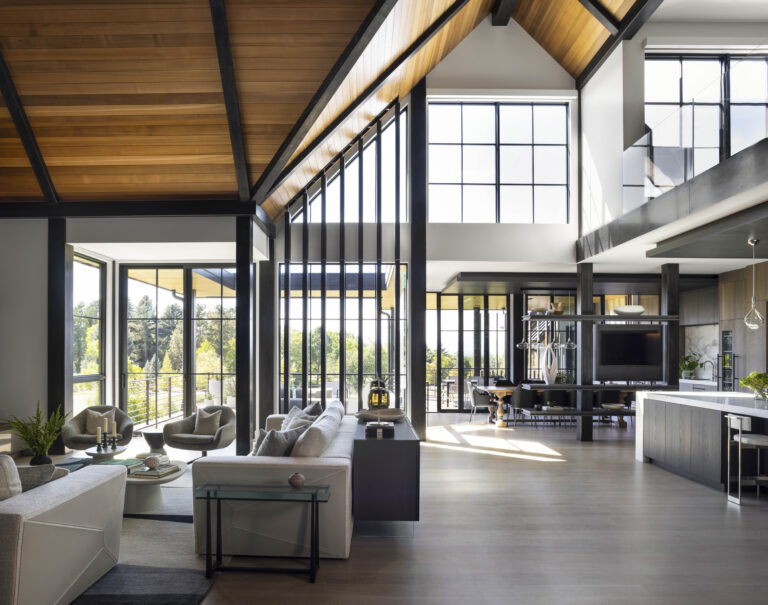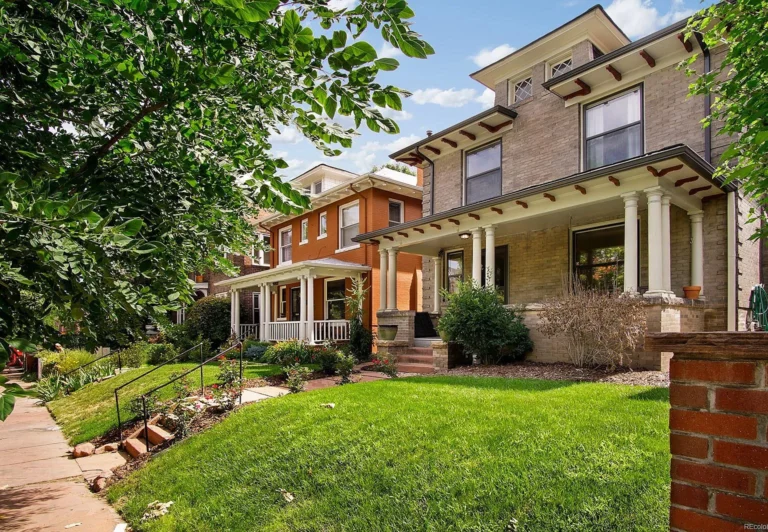
June marks the start of peak renovation season in Denver. Discover what makes summer ideal for exterior projects, how to navigate contractor availability, and whether you should start now or wait.
For many Denver homeowners, the renovation they planned all winter finally gets underway in June. The weather window opens, materials dry faster, and foundation access becomes straightforward. But summer also brings busier schedules and afternoon storms that can pause work for hours at a stretch.
If you’re weighing whether to start your renovation now or later in the year, it helps to know what summer construction looks like in Denver. Weather affects scheduling, but scope, materials, permitting and crew availability also determine timing.
Why Summer Is Denver’s Prime Renovation Window
Longer Daylight Hours and Consistent Weather
Denver’s longest days fall in June and July. That extra daylight gives crews more productive hours for framing and other exterior phases than they have in November. Concrete cures predictably in warm, dry conditions, and paints and sealants dry without moisture trapped under the surface.
You still need to plan around Denver’s afternoon thunderstorms. Pop-up storms are common in the afternoons from June through August, and crews pause exterior work when lightning is nearby, then resume once the cell passes. This rarely derails a project, but your daily schedule needs buffer time.
Material Delivery and Availability
Lead times vary by product and season, so confirm them for your key materials before you set a start date. Ordering early keeps your project moving and reduces the risk of a stalled timeline while you wait for a critical component.
Summer also helps with delivery to mountain and foothills sites. Trucks can reach Evergreen and other foothills locations without winter closures or chain-law delays, so delivery windows for structural steel, cabinetry or stone become more predictable.
Foundation and Exterior Access
Any project touching your foundation benefits from dry ground. Excavation for an addition or underpinning for a basement conversion goes more smoothly when the soil isn’t saturated or frozen. Concrete cures at the right rate, and waterproofing membranes adhere properly without moisture interference.
The exterior phases of a renovation or addition, such as framing a new shell, tying in a roofline, or installing windows in new openings, move faster when crews aren’t contending with snow cover, ice or subfreezing overnight temperatures.
The Trade-Offs: Contractor Availability and Permit Timelines
Peak Season Means Peak Demand
Many homeowners in Denver, Cherry Hills Village, Greenwood Village and Castle Pines want to start their renovation in summer, and that demand fills builders’ schedules. If you want a summer start, talk to builders early and confirm their actual availability before you plan around a start date.
Permit Review Times
Permit review times vary by jurisdiction, scope and application completeness. Confirm current timing before setting your start date.
Complete, code-compliant drawings on the first submission are the best way to keep this step moving. A rejected application and resubmission adds time. Renovation projects that involve structural changes, relocated load-bearing walls or new HVAC systems need the most detailed permit packages.
Subcontractor Scheduling and Lead Times
Electricians, plumbers, HVAC specialists and finish carpenters are all busy in summer, and coordinating their schedules takes work. A two-day delay on a framing inspection can cascade into a longer delay for the electrician, who has moved on to another job and can’t return right away.
Ask your builder how they schedule trades and how they will keep you updated when something slips. That conversation tells you a lot about how the project will run.
What to Plan Now If You Want to Start This Summer
Lock In Your Scope and Budget
The biggest budget overruns happen when scope isn’t fully defined before construction starts. If you’re planning a primary bath, basement or whole-home renovation, finalize these decisions before your builder breaks ground:
- Cabinetry and vanity style, finish and hardware
- Countertop material
- Flooring type
- Plumbing fixtures and water heating
- Lighting and electrical layout
- Paint colors and finishes suited to Denver’s UV and freeze-thaw cycles
When selections are locked in, your builder can order materials, confirm lead times, and avoid mid-project change orders that stretch your timeline and budget.
Confirm Your Start Date and Milestone Schedule
Ask your builder for a project timeline with milestone dates:
- Permit approval target
- Demolition and framing start
- Rough-in inspections (plumbing, electrical, HVAC)
- Drywall and interior finishes
- Final walkthrough and punch list
Agree on how often you will get progress updates once construction begins. Building codes such as those published by the International Code Council require inspections at key stages, so your timeline should account for inspection scheduling and any re-inspections if something doesn’t pass the first time.
Prepare Your Home and Your Household
Summer renovations often mean living in the home while work happens. Some homeowners can stay, depending on scope, safe access and utility availability. Plan where your family will sleep and get ready if the primary suite or main bathrooms are under construction, and decide whether a few weeks of short-term housing makes more sense.
Share your daily schedule with your project manager. If you work from home and need quiet hours for calls, let the crew know. If you have pets or young children, set up safe zones that stay clear of active work areas.
What to Plan Now If You’re Targeting Next Summer
Start Design and Permitting in Winter
Design, engineering and permitting all take time, and for a complex custom home build or whole-home renovation they can take months. Starting design in fall or winter gives you the best chance of being permitted and ready to build when the weather opens up. Permit review times vary by jurisdiction, scope and application completeness, so confirm current timing before setting your start date.
Book Your Builder Early
If you are aiming for a summer start, reach out to builders in winter and confirm their actual availability for your dates. Early conversations also give you time to finish design and selections before construction begins.
Use Off-Season for Interior Prep Work
If your renovation includes interior and exterior components, consider tackling interior work during fall or winter and saving the weather-dependent work for summer. A basement finish or powder room remodel can happen year-round. That leaves your summer window open for foundation, framing and dry-in work, where weather truly matters.
How Denver’s Afternoon Storms Affect Your Timeline
Understanding Denver’s Monsoon Pattern
Denver sits at the eastern edge of the Colorado monsoon flow, which brings moisture into the region from roughly mid-June to mid-September. That pattern fuels afternoon thunderstorms that roll off the foothills and drift east across the metro.
Most storms pass fairly quickly, but they bring lightning, hail risk and heavy downpours. Exterior work pauses when lightning is nearby, a standard safety practice on any well-run site.
Building Buffer Time Into Your Schedule
A realistic summer timeline accounts for weather delays. Build buffer time into any phase that depends on dry weather, such as foundation work, framing and dry-in.
Homeowners who expect zero weather delays often feel frustrated when the project stretches. Homeowners who understand Denver’s weather patterns and plan for them have a much calmer experience.
Should You Start Now or Wait Until Fall?
Start Now If:
- Your project involves an addition, foundation or structural work that needs dry ground and open weather
- You’ve already chosen a builder and confirmed a start date
- Permits are approved or pending final review
- You want to finish before the school year ramps up in late August
- Material lead times fit within a summer completion window
Wait Until Fall If:
- You haven’t finalized your scope or design
- Permits aren’t submitted yet
- Your builder’s next available start date is late summer anyway
- Your project is primarily interior and doesn’t depend on summer weather
Fall brings shorter days and the risk of an early freeze or snow in October or November. Weather affects scheduling, but scope, materials, permitting and crew availability also determine timing, so confirm each of those with your builder before choosing a season.
If you miss the summer window, one option is to start interior work in fall and save weather-dependent work for spring. That keeps the project moving without forcing exterior phases into unpredictable weather.
What Happens If Your Project Runs Into Fall?
Some renovations take longer than one season. A whole-home remodel or large addition may start in June and continue into October or November. That’s normal for complex projects.
Your builder should have a cold-weather plan:
- Temporary heat for interior finishing work (drywall, paint, trim)
- Covered work zones for exterior tasks that must happen in fall
- Sequencing so weather-sensitive work finishes before snow arrives
- Clear communication about what gets completed before winter and what waits until spring
Fall brings its own conditions. Afternoon storms usually ease by mid-September, but overnight temperatures start dropping well before the first freeze. Concrete, sealants and some finishes need sustained warmth to cure properly, and Denver’s altitude and low humidity speed drying in ways crews have to plan around. Temperature-sensitive work should be scheduled early in the day and early in the season, with a plan for what pauses if a cold snap arrives.
Late-fall work is possible, but it takes more planning, closer weather monitoring and more flexibility. If your project is likely to stretch into late fall, discuss the winter plan with your builder during contracting, not in October when you’re already behind schedule.
Common Objections: Why Homeowners Hesitate
“We’re Worried About Going Over Budget”
Budget overruns usually happen when scope changes mid-project. The fix is thorough planning up front: lock in selections, confirm material costs, and avoid design changes once work starts. Before construction starts, ask for a clear estimate and agree with your builder on how changes will be priced and approved.
“The Timeline Sounds Too Long”
Permit reviews, trade schedules and inspection holds all add time, and a project rarely runs on a perfect-world schedule. Homeowners who accept that up front avoid frustration. Homeowners who push for unrealistic speed risk rushed workmanship that causes problems after move-in.
“We’ve Heard Horror Stories About Custom Home Builds and Renovations”
Most horror stories come down to poor communication and overpromising. Before you sign, ask any builder how you will get updates and who your point of contact will be. As one Anderson Construction client, Darlene E., put it: “You will not meet another builder as genuine, honest & professional as Ben Anderson. He knows what he is doing & he cares about quality & details when building a home. I highly recommend Mr. Anderson to build your custom home.”
Frequently Asked Questions
What is the best month to start a home renovation in Denver?
June through August usually offer the longest days and the most workable weather for foundation and framing work. Weather affects scheduling, but scope, materials, permitting and crew availability also determine timing, so the best month depends on your project.
How much does a summer renovation cost compared to winter?
Season matters less than scope and finish level. Peak-season demand can affect scheduling and material lead times, but the bigger cost drivers are what you build and how you finish it.
Do I need to move out during a summer renovation?
It depends on scope. Some homeowners can stay, depending on scope, safe access and utility availability. Whole-home renovations involving structural work, dust-heavy demolition or utility shutoffs may require temporary housing for a few weeks. Discuss logistics with your builder during planning.
How do Denver’s afternoon storms affect my renovation timeline?
Thunderstorms pause exterior work when lightning is nearby. A realistic schedule builds in buffer time so these pauses don’t derail your completion date.
Is fall a good time to start a renovation in Denver?
It can be. Storms usually ease by mid-September. The trade-off is shorter days and the risk of an early freeze, so weather-sensitive work like foundations and framing should be planned to finish before winter. Confirm your builder’s availability and current permit timing before choosing a start date.
Summer offers Denver’s most workable weather for renovations, but success depends on early planning, realistic scheduling, and a builder who manages trades and permits closely.
Book a discovery call to talk through your timeline, scope and budget. For a starting range first, try our renovation cost calculator or home addition cost calculator. Visit our portfolio to see completed projects across Denver, Cherry Hills Village and Greenwood Village, or call 720-594-3711 to start the conversation.
BA
About the Author
Ben Anderson
Founder & Owner, Anderson Construction
Ben Anderson is the founder and owner of Anderson Construction, a Denver-area custom home builder and general contractor he started in 2006. Over the past 20 years he has built and renovated homes across Cherry Hills Village, Greenwood Village, Castle Pines, Evergreen, and Golden, specializing in luxury custom builds alongside kitchen and bath remodels, additions, decks, and outdoor living. He is known for craftsmanship suited to the setting, from steep foothill lots to gated estate communities, and works directly with homeowners from the first call through the final walkthrough.