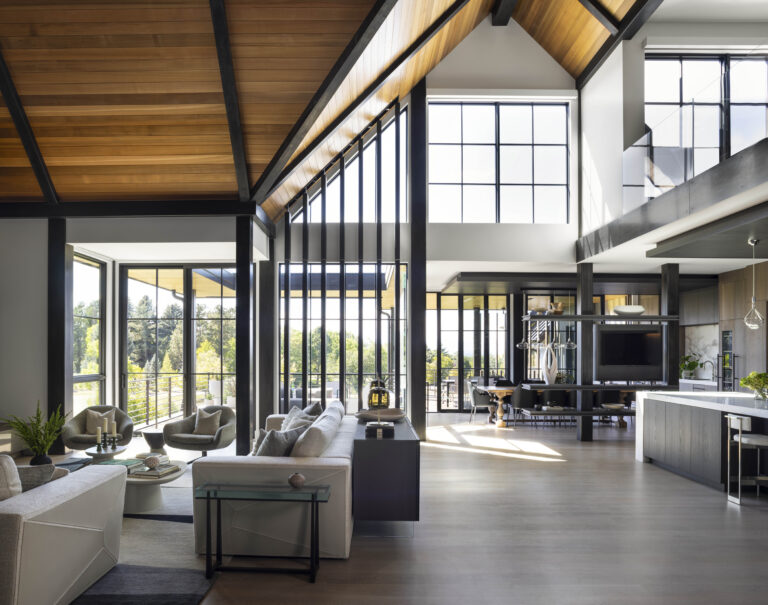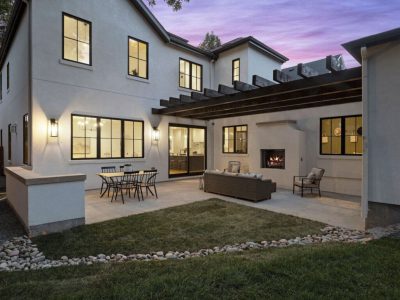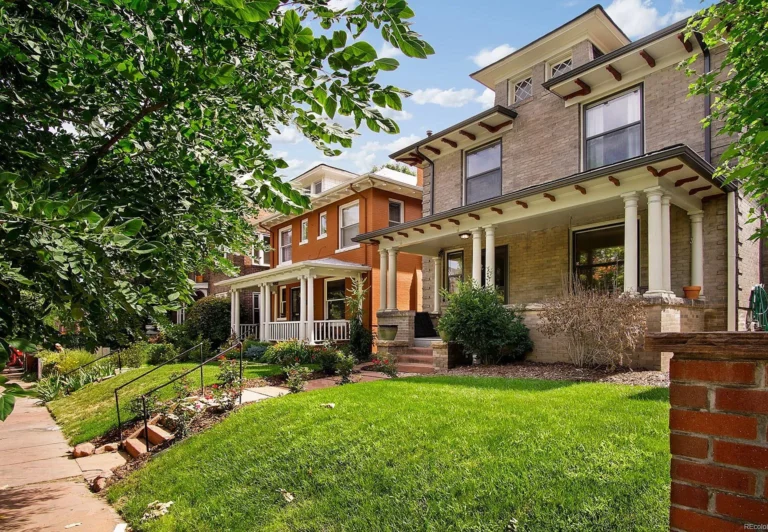
Renovate, add on or build new? How the three paths compare on design freedom, disruption, risk and cost, and how Denver homeowners can choose.
If your home’s structure and location work for you and the problem is layout or finishes, renovation is usually the right path. If the layout works but you need more space, and your lot and zoning allow it, an addition makes sense. If the house works against you on both counts, or the lot is worth more than the house on it, building new gives you the most freedom. Most of the decision comes down to how much of the existing house is worth keeping.
Renovating Your Existing Home
When renovation makes sense
- The structure is sound and the systems are in reasonable shape.
- The layout can be reworked without moving major structural elements.
- You want to stay where you are, and the house already has the square footage you need.
When it may not
Existing framing, ceiling heights, load-bearing walls and mechanical systems limit what can change. When the changes you want mean fighting those constraints, the cost and complexity of renovating can approach or exceed the alternatives, without the same result.
Learn more about our home renovations, or see our guide to planning a home renovation.
Adding Onto Your Home
When an addition makes sense
- The layout works, but the house is short on space.
- Zoning and your lot leave room to build out or up.
- You want to stay in a location you value rather than move or rebuild.
When it may not
Lot size, setbacks, lot coverage and height limits can restrict an addition’s size and placement in ways that are not obvious at first. Building up depends on what the existing structure can carry. And every addition has to tie into the existing house, which adds structural and system work.
Learn more about our home additions, or see our guide to planning a home addition.
Building a New Home
When building new makes sense
- The house no longer fits how you live, and renovating would mean changing most of it.
- You have the right lot, or the lot under your current house is the real value.
- You want full control over layout, systems and finishes.
The trade-offs
Building new gives you the most design freedom. It typically carries the highest total cost and the longest timeline, and replacing an existing home adds demolition and site preparation.
Learn more about our custom home builds.
How the Three Paths Compare
| Renovation | Addition | Building new | |
|---|---|---|---|
| Design freedom | Limited by the existing structure | Moderate, limited by the lot and the tie-in | Highest |
| Disruption | Living around the work, if you stay | Heaviest at the tie-in and utility work | Usually living elsewhere during the build |
| Main risk | Conditions hidden behind walls | Zoning limits and the structural tie-in | Scope and finish creep during design |
| What drives cost | Scope, condition of the house, finish level | Size, foundation, system upgrades, finish level | Size, finish level, design complexity, site |
Questions That Usually Decide It
- How much of the existing house do you actually want to keep?
- What does zoning allow on your lot?
- Can your structure support the changes you want?
- How long do you plan to stay?
- How much disruption can your household handle?
Walking your home with a builder who does all three is the fastest way to answer these with real information instead of guesses.
Get a Starting Range
For a starting number on each path, try our renovation cost calculator, home addition cost calculator or custom home cost estimator. If you would like to talk through which path fits your home, book a discovery call.
Frequently Asked Questions
Is it cheaper to renovate or build new?
Usually renovating, but not always. When a renovation means changing most of the structure, systems and layout, its cost can approach that of building new, without the same result. Comparing the scope of each path is the only reliable way to know.
When does a knockdown and rebuild make sense?
When the lot is the main value and the existing house would need major structural and system work to meet your goals. Check zoning for the new home, plus demolition and site preparation, before deciding.
Is an addition or a renovation more disruptive?
It depends on the scope. A renovation can mean living around work inside the house. An addition keeps most construction outside until the new space is opened into the home and utilities are tied in.
BA
About the Author
Ben Anderson
Founder & Owner, Anderson Construction
Ben Anderson is the founder and owner of Anderson Construction, a Denver-area custom home builder and general contractor he started in 2006. Over the past 20 years he has built and renovated homes across Cherry Hills Village, Greenwood Village, Castle Pines, Evergreen, and Golden, specializing in luxury custom builds alongside kitchen and bath remodels, additions, decks, and outdoor living. He is known for craftsmanship suited to the setting, from steep foothill lots to gated estate communities, and works directly with homeowners from the first call through the final walkthrough.