
The Custom Home Guide
What to expect, what it costs, and how to choose the right builder before you break ground in Denver's luxury enclaves.
Inside This Guide
- IWelcome04
- IIShould You Build06
- IIILand First09
- IVThe Design Partnership12
- VBudget Reality15
- VIChoosing Your Builder19
- VIIThe Timeline22
- VIIIDuring Construction25
- IXCommon Pitfalls28
- XThe First Year31
- XIThe Anderson Process33
- XIINext Steps36
Welcome
A custom home is the most personal real estate investment most people will ever make. It is also the most complex.
For nearly twenty years, Anderson Construction has built homes from the ground up in Cherry Hills Village, Greenwood Village, Castle Pines, and the foothills west of Denver. The questions homeowners ask in the first meeting have not changed much over that time.
How long will this take. What will it actually cost. How do we know the builder will do what they say. What happens if something goes wrong.
This guide answers those questions in detail. It is written for homeowners who are seriously considering a custom build and want to understand the process before they commit to it.
Some of what follows is technical. Most of it is practical. None of it is sales material. The goal is to help readers make a better decision, whether or not they ever end up working with Anderson.
How to read this guide
The chapters are sequenced the way a real project unfolds. Decision to build. Land. Design. Budget. Builder selection. Timeline. Construction. Move-in. The final chapter explains how Anderson specifically approaches the work, for readers who want to know what working with us looks like.
Skip what does not apply. Mark what does. The most useful pages are likely the ones on budget, builder selection, and common pitfalls. Those are the chapters that save homeowners money and frustration.
The numbers, timelines, and observations in this document reflect actual conditions in the Denver luxury market as of 2026. Costs and lead times change. Use these figures as a starting point for conversations, not as a fixed quote.
Who this is for
This guide is written for homeowners considering a custom build in the seven figure and above range. The principles apply at every price point, but the specifics, especially around budget, design coordination, and finish levels, are calibrated to luxury work.
If you are weighing a renovation or addition instead of a ground-up build, much of this still applies. We have published a separate guide for renovations and additions that may be more useful as a primary reference.
Should You Build?
Custom building is not the right answer for everyone. Knowing when it is is the first real decision worth making.
In Denver's luxury enclaves, three options are usually on the table when a family is ready for a new home. Buy an existing home and live in it as-is. Buy an existing home and renovate. Or buy land and build new.
Each path has trade-offs. None is universally better. The right choice depends on the lot, the existing inventory, the household's timeline, and what the family actually wants out of the home.
When a custom build makes sense
- The right lot is available in the right neighborhood and the cost of land plus build is in line with comparable existing homes.
- Existing inventory does not match the family's lifestyle, floor plan needs, or aesthetic preferences, and renovating to that level would cost more than building new.
- The family intends to stay in the home for at least seven to ten years.
- The household can absorb a twelve to twenty-four month design and construction window without disruption.
- The budget accommodates land, build, soft costs, and a meaningful contingency reserve.
When renovation or purchase is smarter
- A strong existing home is on the market at a meaningful discount to replacement cost.
- The family needs to be in a permanent home within nine months and cannot bridge a longer timeline.
- The lot under consideration would require expensive site work, retaining walls, or utilities that do not return value at resale.
- The family is not certain about long-term plans, future location, or how their needs may shift in the next five years.
The hidden cost of a wrong fit
The most expensive mistake we see is not a budget overrun on the build itself. It is the family that pushed forward on a custom project when an existing home or a renovation would have served them better. Two years of construction, plus the toll on family life, plus the eventual resale challenges of a house designed for a season that has passed.
A serious builder should be willing to talk a prospective client out of building when the math, the timing, or the lot does not support it. That conversation is part of what a good first meeting looks like.
Land First
The lot dictates more of the final home than most buyers realize. Choose it carefully.
The order of operations in custom home building is sometimes debated. Buyers want to know if they should select an architect first, secure a builder first, or find the land first. In practice, the land tends to drive everything else.
The lot's size, slope, soil, drainage, easements, setbacks, views, and orientation will shape the home that can actually be built on it. A floor plan that works beautifully on a flat one-acre parcel in Greenwood Village may be impossible on a sloped foothills lot in Evergreen without significant compromise or expense.
What to look for in a luxury lot
The headline criteria are obvious. Location, neighborhood, schools, comparable values, and view corridors. The criteria that matter just as much, and are easier to miss, are the ones below the surface.
- Soil conditions and the cost of foundation work. Some Denver-area lots require deep piers, structural slabs, or significant import fill. This can add six figures to a project before framing starts.
- Drainage and grading. Lots that collect water cost more to build on and may require engineered solutions.
- Utility access. The distance from the home pad to existing sewer, water, gas, and electric can quietly add to the budget.
- Setbacks, easements, and covenants. These determine what can be built, where, and how tall. Cherry Hills Village, Greenwood Village, and Castle Pines all have distinct rules.
- Solar orientation. The direction the home faces affects daylight, energy costs, and how the primary living spaces feel year-round.
Bringing a builder in early
A common mistake is to close on land without a builder's input. The right builder, looking at a parcel before the offer goes in, can flag the things that will drive cost up later. Foundation requirements. Driveway grading. Tree removal. Water table issues. A ninety-minute site visit can save a buyer from acquiring a lot that will cost three hundred thousand dollars more to build on than its neighbor.
Anderson regularly walks lots with prospective clients before they have made an offer. There is no charge and no commitment. It is one of the simplest ways to avoid an expensive surprise after closing.
Have us walk it with you before you close. No commitment, no fee.
Schedule a Site VisitLocal notes on the primary markets
Cherry Hills Village
Lots are larger, often over an acre, with strict architectural review and significant setbacks. Equestrian and conservation easements are common. Soil and drainage vary across the village. Tree preservation is taken seriously.
Greenwood Village
Smaller lots than Cherry Hills, denser layouts, and active HOAs with design standards. Utilities are generally close. The challenge is usually working within tighter footprints while still delivering luxury volume and finish.
Castle Pines
Foothills topography means more sloped lots, more retaining work, and more attention to drainage. Design committees enforce material palettes that fit the natural setting. Solar orientation matters more here than in the flatter enclaves.
The Design Partnership
A custom home is a design project before it is a construction project. The best results come when the architect and builder work together from the first sketch, not after the bid.
For luxury work, the architect is rarely an afterthought. The right design partner translates a family's vague intentions into a buildable, beautiful set of plans, while protecting the budget and timeline from drift.
The relationship works best when the architect and the builder are aligned from the start. Plans drawn in isolation, without a builder's input, often produce two specific problems. They include details that are far more expensive to build than the homeowner realized. And they leave value engineering until after the bid comes in, which means redesign, delay, and frustration.
Anderson Construction is not an architecture firm. We do not draw plans. What we do is work alongside the architect through the entire design phase, reviewing the work for constructability, providing real budget feedback before decisions are locked, and helping resolve cost and detail questions before they become expensive to fix later.
What we contribute during design
- Constructability review. We read plans the way they will be built, flagging anything that will be difficult, slow, or unnecessarily costly to execute.
- Preliminary budget feedback. As the design develops, we keep the family informed about where the project sits relative to budget, with specific cost guidance rather than vague reassurance.
- Value engineering. When something in the plans will drive cost without proportional value, we say so, and we propose alternatives.
- Detailed specifications. We develop the material, finish, and allowance schedule that turns architectural plans into a buildable, biddable project.
- Trade coordination. Where structural, mechanical, electrical, and plumbing decisions intersect with design, we help the team make those calls early.
On a recent Cherry Hills Village project, the design team chose a particular window system in design development. Anderson's pre-construction estimate flagged that the system would add roughly one hundred and forty thousand dollars over a comparable alternative with nearly identical performance. The family chose the alternative, kept the savings for landscape, and the design did not change meaningfully. That conversation does not happen if design and pre-construction run sequentially.
If you do not have an architect yet
Many of the families we work with come to us with an architect already in place. Others arrive with an idea, a lot, and no design team yet. Both are fine starting points.
When a family does not have an architect, we help them find the right one. We work with a small number of luxury residential architects in the Denver market who have proven themselves on projects like the one being considered. We make introductions, sit through the early meetings, and help the family choose a partner whose style, process, and price match the project.
This is not a referral fee arrangement. We are not selling architectural services. We are connecting families with the right design partner for their specific project, because doing that well at the start makes everything that follows easier.
Choosing an architect
- Look for portfolio depth in the style and scale of home being built. A firm that builds modern mountain contemporary may not be the right fit for a traditional Cherry Hills estate.
- Check that they have completed projects in the target neighborhood. Architectural review processes in Cherry Hills Village, Greenwood Village, and Castle Pines all have learned nuances.
- Ask how they coordinate with builders. Designers who collaborate openly with the GC throughout the design phase produce more buildable, more on-budget plans.
- Get clarity on their fee structure. Most luxury residential architects work on a percentage of construction cost, a fixed fee, or hourly billing. Each has trade-offs.
How a good design phase unfolds
Programming
The first phase is conversation. How many bedrooms, what kinds of spaces, how the family lives now and wants to live, what the home should feel like. The architect synthesizes this into a program document.
Schematic Design
Initial floor plans and massing. Rough exterior elevations. Enough definition to start estimating cost and confirming the home fits the lot.
Design Development
The plans get refined. Window sizes and locations are fixed. Interior layouts are tightened. Material direction is chosen. This is the phase where most design decisions get locked, and where Anderson's budget feedback matters most.
Construction Documents
The full set of drawings and specifications a builder needs to bid and build the home. Structural, mechanical, electrical, and plumbing engineering come in here. By the time construction documents are complete, the family should already know what the home will cost, with high confidence.
Budget Reality
What custom homes actually cost in Denver, and what drives the number.
The most useful conversation a luxury builder can have with a prospective client is about budget. Not in vague terms. In real numbers, with real ranges, broken down into the categories that actually move the total.
Custom home costs in the Denver metro market vary by lot, scope, finish level, and complexity. The ranges below reflect typical luxury work in Cherry Hills Village, Greenwood Village, and Castle Pines as of 2026.
What luxury custom actually costs
Entry luxury
Five hundred to seven hundred dollars per square foot. Builder-grade luxury finishes, conventional framing, standard mechanical systems, modest site work.
Mid luxury
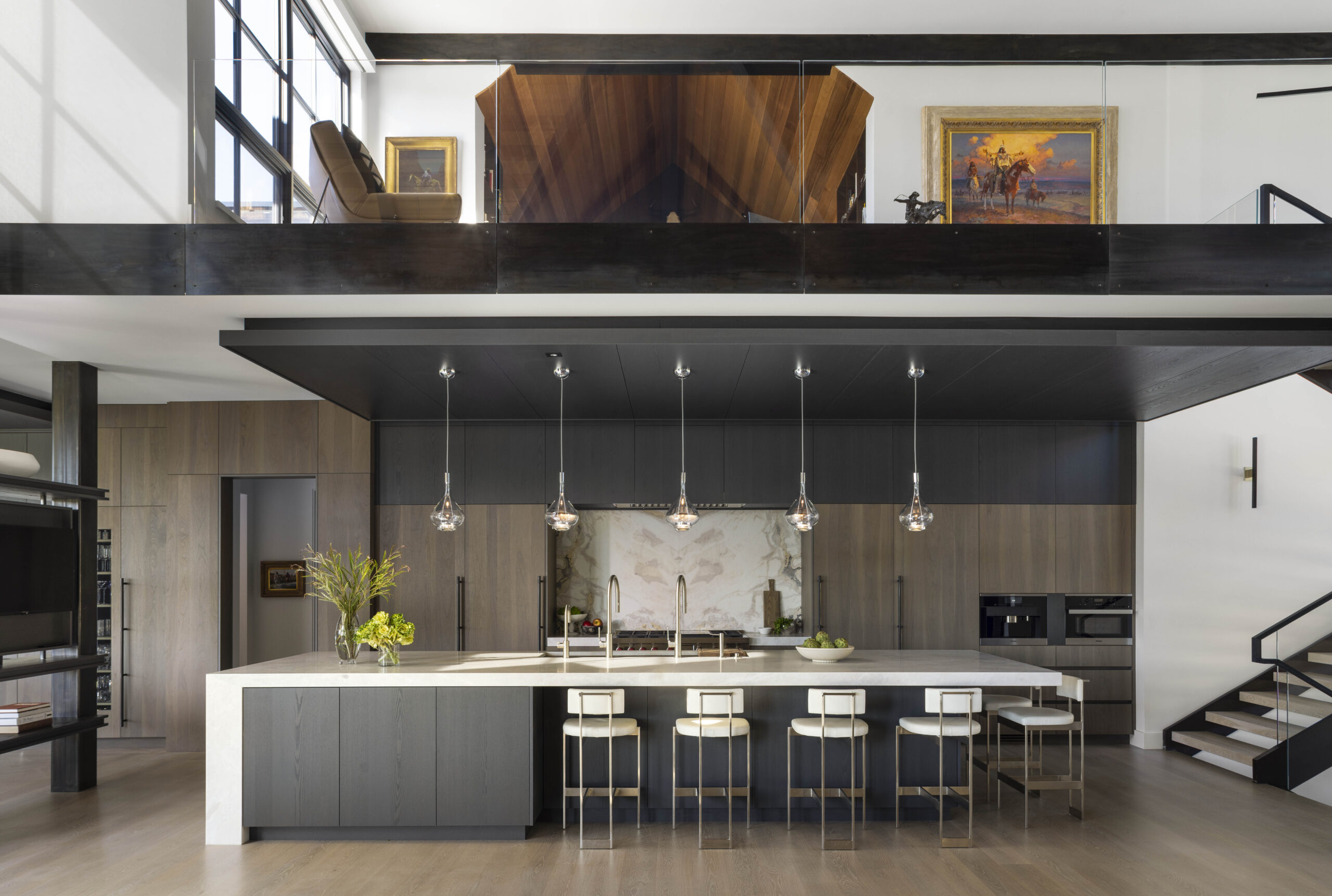
Seven hundred to one thousand dollars per square foot. Designer finishes, custom millwork, higher window quality, smart home systems, premium kitchens and baths.
High luxury
One thousand to fifteen hundred dollars per square foot. Bespoke detailing, premium imported finishes, complex roof and structural work, full smart home integration, premium glazing systems, extensive site amenities.
Ultra luxury
Fifteen hundred dollars per square foot and up. Museum-level finish, bespoke everything, significant site work, complex programs.
Land is separate. So is landscape, hardscape, pool, casita or guest house, and any work outside the main home. A realistic all-in budget for a ten thousand square foot custom home in Cherry Hills Village starts at seven to nine million dollars on a developed lot and can move materially higher with land and amenities.
What drives the number
- Square footage. The obvious one. Larger homes cost more, but cost per square foot drops slightly as size grows because some fixed costs spread.
- Site work. Soil, drainage, slope, utilities, and tree work can swing total cost by hundreds of thousands of dollars.
- Roof complexity. More planes, more valleys, more dormers, more cost.
- Window package. Glazing is one of the largest single line items in luxury work, often six to eight percent of total cost.
- Finish level. Cabinets, stone, tile, flooring, and millwork can vary by three to five times between mid and ultra luxury.
- Mechanical systems. Geothermal, snowmelt, advanced ventilation, and zoned HVAC add real cost but pay back in comfort and operating expense.
- Smart home integration. Done well, this is a meaningful line item. Done poorly, it is a meaningful headache.
The role of contingency
Every custom home budget should include a contingency reserve. For luxury work, ten percent is the floor. Fifteen percent is sensible. Contingency covers the things that cannot be known until walls open, soils are tested, and the family changes its mind on a finish.
A builder who quotes a project without contingency, or who tells a client they will not need any, is either inexperienced or being dishonest about how custom work actually unfolds.
Soft costs to plan for
- Architectural fees, typically eight to twelve percent of construction cost.
- Engineering, structural, civil, mechanical, electrical, plumbing.
- Permits and impact fees.
- Surveys, soils reports, geotechnical work.
- Interior designer, separate from architect.
- Landscape architect.
- Construction loan interest if the project is financed.
- Owner-controlled insurance and bonds.
Across these categories, soft costs typically add fifteen to twenty-five percent to the construction number. They are not optional. They should be budgeted from the first conversation.
Run the numbers yourself with our cost estimator, or talk it through on a discovery call.
Choosing Your Builder
The single most important decision in a custom build. Get this right and the rest gets easier.
Most homeowners interview two or three builders before choosing one. The interview is the moment to learn how a builder works, what kind of partner they will be, and whether their process matches the family's expectations.
The questions below are the ones that actually surface meaningful differences. They are worth asking every builder in the running.
Questions to ask before you sign
How long have you been building, and how many custom homes have you completed in this market?
Luxury custom work is local. A builder with deep references in Cherry Hills Village, Greenwood Village, and Castle Pines knows the architectural review boards, the soils, the trade base, and the inspectors. That knowledge saves time and money.
Who will run my project day to day?
Some firms sell with one team and build with another. Ask to meet the project manager and superintendent before signing. Ask how often they will be on site and how communication is handled.
How do you handle pricing and contracts?
The two main contract structures in luxury custom work are fixed price and cost-plus with a guaranteed maximum. Each has trade-offs. Make sure the builder can explain both, and why they recommend one over the other for the specific project.
How do you handle change orders?
Change orders are a normal part of custom work. The question is not whether they will happen but how the builder communicates the cost, the schedule impact, and the approval process. Get a sample change order in writing before signing.
How do you communicate with clients during the build?
Weekly site meetings. Written updates. Photo logs. Some builders use construction management software with daily logs and document storage. Ask what to expect.
Who are your subcontractors, and how long have you worked with them?
A builder's trade base is a meaningful part of what the homeowner is buying. Look for stable, long-term relationships with framers, electricians, plumbers, drywall, painters, and finish trades.
How do you engage with architects during design?
Builders who only show up after plans are finished are bidding builders. Builders who engage during design are partners. The difference shows up in budget control, redesign cycles, and the quality of the finished home.
What does your warranty cover and for how long?
The standard luxury custom warranty is one year on workmanship, two years on systems, and ten years on structural. Builders vary on what is included and how warranty calls are handled. Ask.
Can I see three recent projects, and can I call those clients?
Every serious builder should welcome this. Past clients will tell prospective clients what the builder is actually like to work with. The conversations that matter happen one to two years after move-in, not at the ribbon cutting.
A builder who will not provide references. A builder who pushes a contract on the first meeting. A builder whose price is materially lower than competitors without a clear reason. A builder who will not show recent completed work. A builder whose office or website does not match the scale of work being discussed.
These questions and a few more are available as an interactive Builder Checklist you can work through during your interviews.
Use the Builder ChecklistBeyond price
For luxury custom work, the lowest bid is rarely the best choice. The questions worth asking are about process, communication, trade base, and finish quality. A builder who delivers on time, on budget, and with a finished product the homeowner is proud of in year five is worth meaningful money over a builder whose bid was lower.
The price gap between a top-tier luxury builder and a mid-tier one is usually three to seven percent of total cost. The quality gap is far larger. So is the difference in what living through the project feels like.
The Timeline
From the first phone call to move-in day, what happens and when.
Custom homes take longer than most homeowners expect. The cleanest way to manage that expectation is to lay out the full timeline at the start, with realistic ranges for each phase.
The numbers below reflect typical luxury work in the Denver metro market. Smaller projects on simple lots can move faster. Larger projects with complex programs run longer.
Phase by phase
Pre-design and team assembly
One to three months. Choosing the architect, builder, and any other key consultants. Walking lots if land has not yet been acquired. Defining the program and budget at a high level.
Schematic design
One to three months. Initial floor plans, massing, and exterior direction. Rough cost estimating begins.
Design development
Two to four months. Refining the plans, selecting materials, locking exterior and key interior decisions. Cost estimates tighten.
Construction documents and permitting
Two to four months. Full drawings and specifications. Engineering. Submittal to the local jurisdiction. Cherry Hills Village, Greenwood Village, and Castle Pines all have architectural review in addition to standard permitting. Plan for this in the schedule.
Construction
Twelve to twenty months for most luxury custom homes. Larger or more complex builds can run longer. The general phases inside construction are foundation, framing, dry-in, mechanical rough, drywall, finish, and final.
Move-in and warranty
Punch list completion typically wraps in the first thirty to sixty days after move-in. The full one-year warranty walkthrough happens around the twelve-month mark.
Why projects run long
- Late design decisions. Selections made during construction rather than during design create rework and delay.
- Change orders. Each significant change has a schedule impact, not just a cost impact.
- Long-lead materials. Custom windows, certain stone, and some appliance packages can have lead times of six months or more.
- Weather. Denver weather is generally favorable, but extended cold or wet stretches can affect foundation, framing, and exterior finish work.
- Inspections and reviews. Architectural review boards and municipal inspectors operate on their own calendars.
What homeowners can do to keep the schedule on track
The single highest-leverage thing a homeowner can do is make selections on schedule. The builder will provide a selections calendar with deadlines for every decision. Tile, plumbing fixtures, cabinets, hardware, lighting, paint colors. Missed selection deadlines are the most common cause of avoidable delay.
The second is to consolidate change requests. Small changes accumulated and decided once a month cause less disruption than the same changes raised one at a time.
During Construction
What the construction phase actually feels like, and how to be a good client through it.
Most of what gets written about custom homes focuses on the design phase. The construction phase is longer, more consequential, and where most of the homeowner's experience of the build actually happens.
What follows is a practical view of what construction looks like, what to expect from the builder, and what the homeowner can do to make the process work well.
Communication cadence
A well-run luxury build has a predictable communication rhythm. Weekly site meetings, usually onsite, with the homeowner, the project manager, and any active design consultants. A written update covering progress, decisions needed, and upcoming work. Photo logs uploaded to a shared project portal.
Daily communication during active phases is normal. The project manager should be reachable by phone or text within a reasonable window for routine questions.
Decisions during construction
Even with thorough design, decisions come up during construction. A field condition that requires a change. A finish that is no longer available. A late preference change from the homeowner.
The healthy version of this looks like clear documentation. The builder presents the decision, the options, the cost, and the schedule impact. The homeowner approves in writing. Work proceeds. Nothing is verbal. Nothing is assumed.
If a decision will cost more than a thousand dollars or affect more than a day of schedule, it gets documented. Smaller decisions can be handled by email confirmation. The standard is not bureaucracy. It is clarity.
Change orders
Every custom home has change orders. The question is how they are handled. A good change order includes the description of work, the cost, the schedule impact, and a signature line. Homeowners should expect to see and approve every change order, no matter how small.
The most common change orders in luxury custom work are finish upgrades, lighting and electrical additions, and outdoor amenities scope. Total change order volume on a well-managed project usually lands between three and seven percent of the original contract value.
Being a good client
- Respond to questions and approval requests within a reasonable window. Selections made on time keep the project on time.
- Use the project portal or agreed channel for communication. Texts to multiple parties at different times create confusion.
- Walk the site, but not so often or so unannounced that work is disrupted. Schedule walks with the project manager.
- Save concerns for the weekly meeting unless the issue is time-sensitive.
- Trust the team. Question decisions when warranted, but recognize that the builder is making thousands of small calls a week to keep the project moving.
What to do when something goes wrong
Something will go wrong. A missed deadline, a finish that arrived damaged, a mistake in framing, a subcontractor who underperforms. The measure of a builder is not whether problems happen but how they are handled.
The right response is direct communication, an honest assessment of the cause, a clear remedy, and a documented plan to prevent recurrence. The wrong response is finger-pointing, vague timelines, or a builder who avoids the conversation.
Homeowners who sense problems being managed transparently almost always come out of the project with strong feelings about their builder. Homeowners who feel kept in the dark almost always come out the other way.
Common Pitfalls
The recurring mistakes that turn good custom projects into hard ones.
After two decades of luxury custom work, the same problems show up across projects that go sideways. None of them are inevitable. All of them are predictable. Knowing where they tend to occur is the best protection against them.
Choosing a builder on price alone
The lowest bid is almost never the actual cheapest project. Builders who price aggressively to win the job often make it back through change orders, allowance overruns, and corners cut on trade quality. The cost difference between bids in the same tier is usually small. The cost difference between builders in different tiers shows up in the finish, the timeline, and the homeowner's experience.
Skipping pre-construction
Some homeowners want to move directly from architectural plans to construction. Skipping a formal pre-construction phase means the bid lands on the family without warning, and there is no time built in for value engineering, scope adjustments, or selection planning. Pre-construction is not a delay. It is the phase that protects the budget.
Underbudgeting site work
Most homeowners focus on the home itself and underestimate what happens between the property line and the foundation. Driveways, retaining walls, drainage, utilities, and landscape can easily add fifteen to twenty-five percent on top of the building cost. On sloped or constrained lots, more.
Late selections
Tile, fixtures, hardware, lighting, paint, and cabinetry decisions need to be made on schedule. Late selections cascade. A late tile decision delays the order, which delays installation, which delays trim and paint, which delays the next phase. A two-week selection delay can become a six-week project delay.
No contingency
Homeowners who do not budget a contingency reserve will find one through stress, debt, or compromise. Ten to fifteen percent is not a buffer for waste. It is the realistic cost of decisions that cannot be made until construction is underway.
Overdesigning for the photograph
Some custom homes are designed for a photograph and lived in with regret. Rooms that look stunning empty but do not accommodate family life. Materials that look luxurious in renderings but cannot be maintained. Layouts optimized for parties no one ends up hosting.
The best custom homes are designed for the family's actual life. The photographs come from the home as it is actually lived in.
No interior designer
Architects design space. Builders execute construction. Interior designers translate the family's taste into a coherent set of finish, fixture, and furniture decisions. Skipping this role usually means thousands of decisions falling to the homeowner, the architect, or the builder, with predictable results.
For luxury work, an interior designer is not a luxury. It is the line item that makes the rest of the budget actually deliver a finished home.
Trying to be the project manager
Some homeowners enter the build planning to manage it themselves to save money. The savings rarely materialize. Coordinating fifteen to twenty trades, managing a six-figure monthly schedule of materials and inspections, and handling the daily flow of decisions is a full-time job that takes years to learn. Hire the builder to do it.
The First Year
Move-in is a milestone, not an ending. What happens in the first twelve months after the keys change hands.
The first year after move-in is part of the project. New homes settle. Wood floors acclimate. HVAC systems balance. Punch list items get completed. The relationship with the builder shifts from active construction to ongoing support.
A good builder treats the first year as part of the work, not as a courtesy. The way warranty calls are handled in months six and nine says more about a builder than the way the kitchen looked at the ribbon cutting.
The punch list
The punch list is the final list of items to be completed or corrected before the project is fully closed. Paint touch-ups. A door that does not close cleanly. A piece of trim that needs replacement. Most punch lists clear in the first thirty to sixty days after move-in.
Some items take longer. A custom fixture on backorder. A finish that needs to be redone after a particular season. The standard is steady progress, clear communication, and a documented completion of every item.
What gets covered by warranty
The standard luxury custom home warranty has three tiers.
- One-year workmanship warranty. Covers defects in installation, finish, and trade work. This is where most warranty activity happens.
- Two-year systems warranty. Covers mechanical, electrical, and plumbing systems beyond the workmanship window.
- Ten-year structural warranty. Covers major structural defects, typically backed by an insurance product.
What is not covered, generally, is normal settlement, homeowner-caused damage, deferred maintenance, and items outside the original scope. A clear builder explains all of this at closing, not when the first warranty call comes in.
The eleven-month walkthrough
The most useful single warranty event is the eleven-month walkthrough. The builder returns to the home, walks every room, and documents anything that has emerged in the first year. Items get scheduled and completed before the one-year warranty closes.
Homeowners who do not call between move-in and the eleven-month walk almost always have things to address. The walk catches them while they are still covered.
Wood floors expand and contract. Drywall shows seasonal cracking at corners and seams. Doors swell and shrink. These are not defects. They are how new construction behaves in its first year. A good builder explains what is normal versus what needs correction.
The long relationship
Most luxury custom clients stay in the home for ten to twenty years. The relationship with the builder, in the best cases, lasts that long. Renovation work in year seven. An addition in year twelve. A finished basement in year fifteen.
This is part of why builder selection matters so much. The right builder is not just a partner for the next two years. They are a partner for as long as the family lives in the home.
The Anderson Process
For readers who want to know what working with Anderson Construction actually looks like.
This chapter is the one place in the guide where Anderson speaks directly about how the firm works. Everything else in this document applies to luxury custom building generally. This chapter is specific.
Founded in 2006
Anderson Construction has been building luxury custom homes and major renovations in the Denver metro area since 2006. Primary markets are Cherry Hills Village, Greenwood Village, and Castle Pines. The firm also builds in Evergreen and Golden for clients seeking foothills homes.
The firm is owned and operated by Ben Anderson. Ben is personally involved in every project. There is no sales team that hands off to a build team. The person who walks the first site visit with a prospective client is the person who will be on the project through completion.
How a project begins
Discovery call
A short conversation, usually thirty minutes, to understand what the family is considering. Goals, lot or location, rough budget, timing. No commitment, no fee.
Site visit
If land has been acquired or identified, we walk it with the family. We flag what we see, including any issues that will drive cost or affect what can be built.
Design collaboration
We work alongside your architect throughout the design phase, reviewing plans for constructability, providing preliminary budget feedback, and developing detailed specifications. If you do not have an architect yet, we help you find one. Either way, the goal is the same: design and budget moving in lockstep so there are no surprises when the project goes to construction.
Pre-construction agreement
When a family is ready to move forward, we enter a pre-construction agreement that covers our work alongside the architect during design development and construction documents, including ongoing budget estimates and value engineering.
Construction contract
When construction documents are complete and the family has signed off on scope and budget, we sign the construction contract. We work with both fixed price and cost-plus with a guaranteed maximum structures, and we recommend the one that fits the specific project. Either way, families have transparency on cost and protection on the ceiling.
How we build
- One project manager and one superintendent on every job, from start to finish.
- Weekly onsite meetings with documented agendas and notes.
- Photo logs and written updates uploaded to a shared portal accessible to the family at any time.
- A long-tenured trade base. Most of our framers, electricians, plumbers, and finish trades have worked with us for ten years or more.
- Direct accountability from Ben. He is on every project, in person, multiple times a week.
How we handle budget
We do not chase low bids. We give honest, complete numbers from the start. If a project's budget will not support the scope a family wants, we say so before contracts are signed. We would rather lose a project at the proposal stage than disappoint a family during construction.
Our contracts include detailed allowances for items that have not yet been selected. As selections are made, allowances are tracked and reconciled against actual costs. Families always know where they stand.
Featured projects
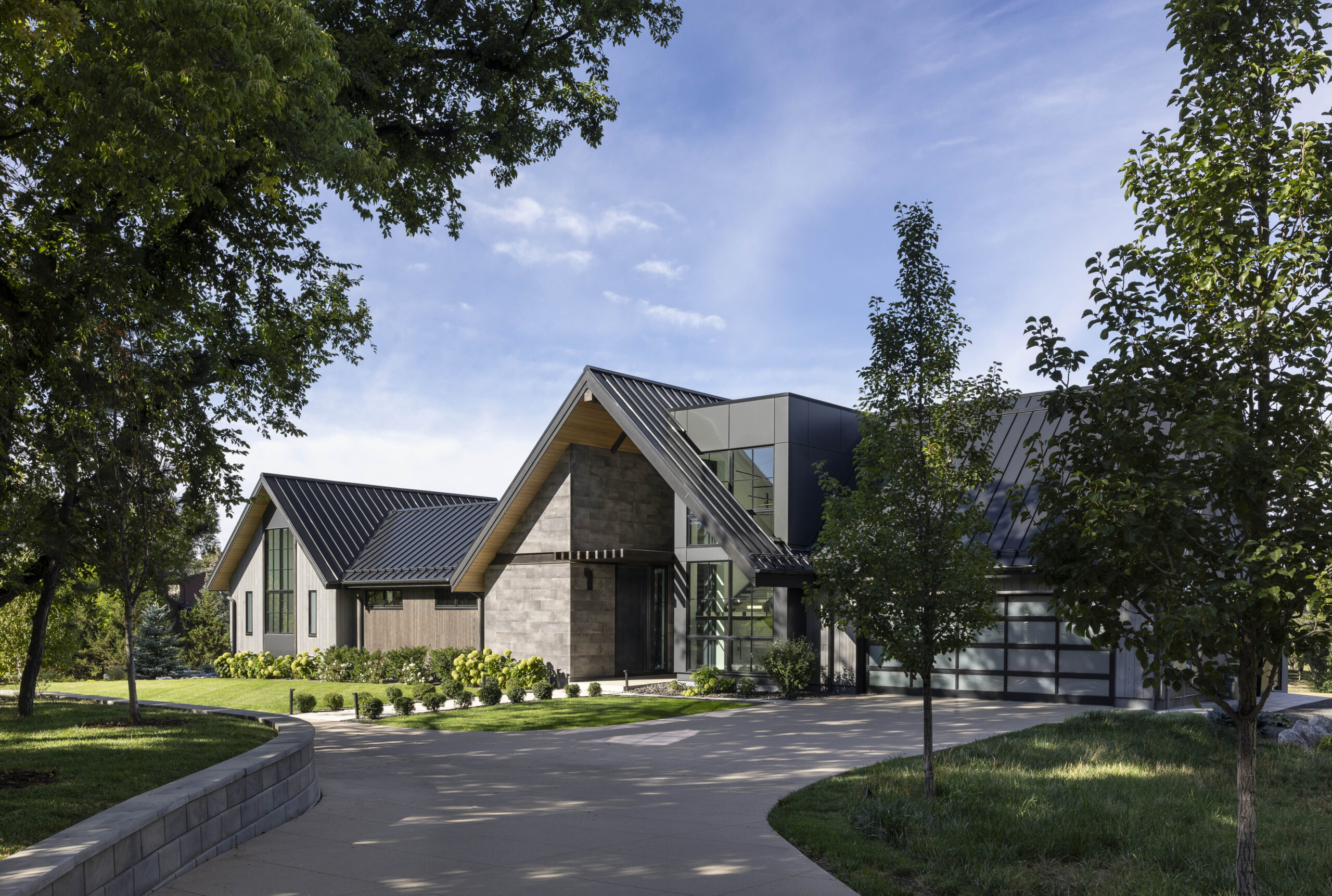
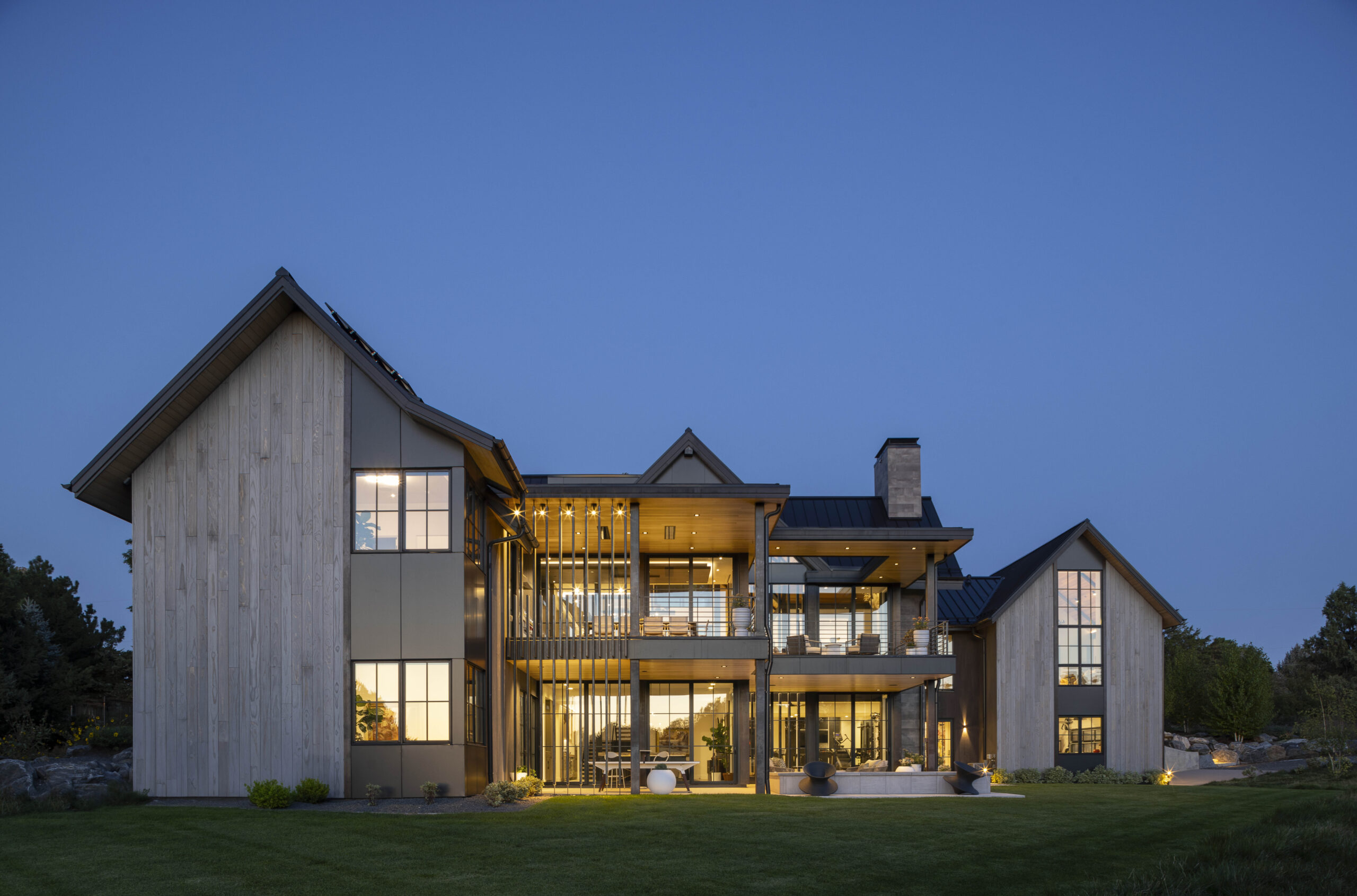
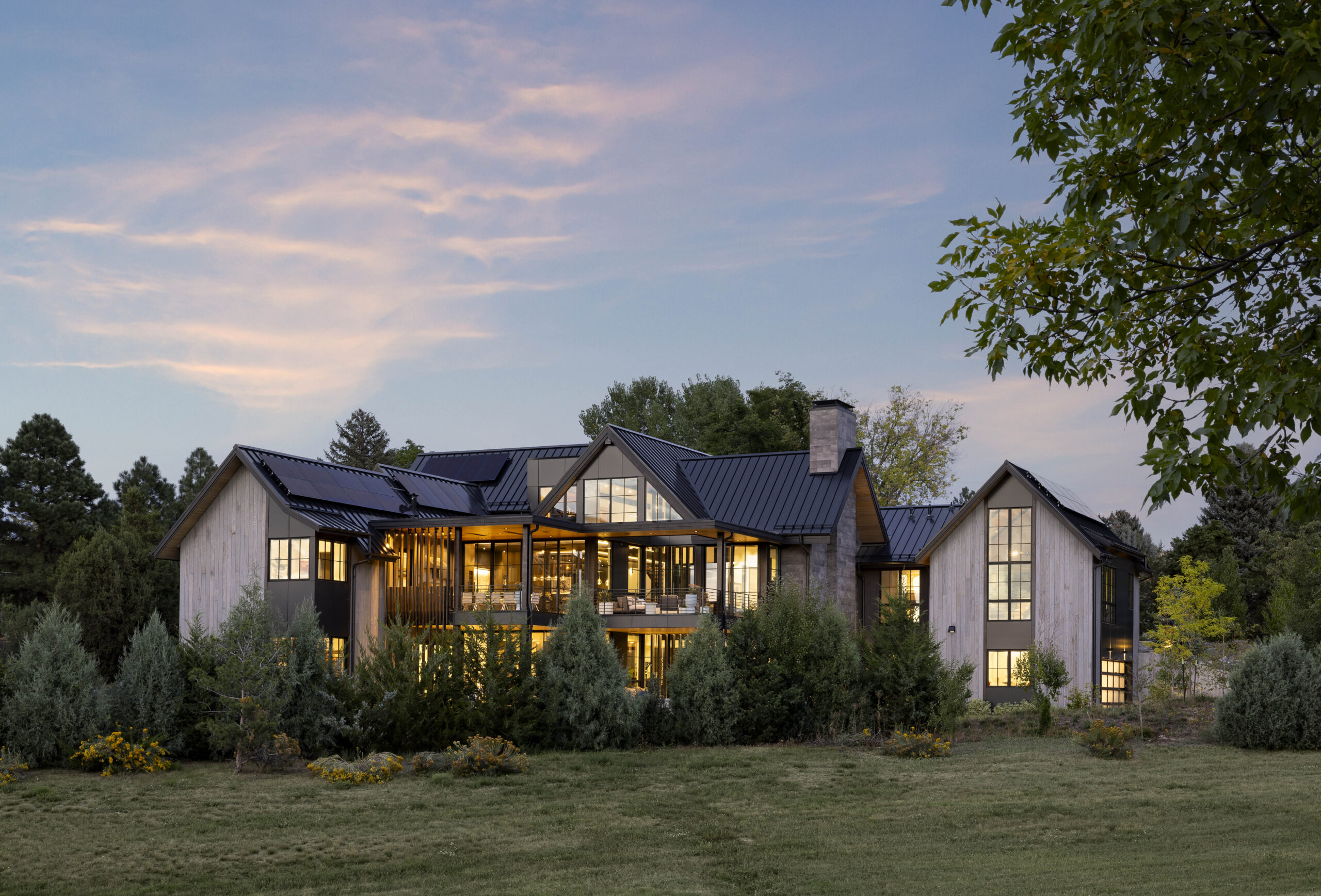
Portfolio projects include 6 Cherry Lane Drive and 10 South Lane, both ground-up custom homes in Cherry Hills Village in the ten thousand square foot range. Project images and the full portfolio are available at anderson-construction.info.
What clients have said
The most accurate picture of working with Anderson comes from past clients. We are happy to provide references for any prospective client who wants to talk to homeowners who have lived in their Anderson home for a year, three years, or longer. Those conversations matter more than anything we could say in this guide.
Founded 2006. Primary markets Cherry Hills Village, Greenwood Village, Castle Pines. Owner-operated by Ben Anderson. Luxury custom homes, major renovations, and additions. Active design-phase collaboration. Direct accountability from project inception through warranty.
Next Steps
What to do with this guide once you close it.
The point of this document is not to make a sale. It is to help a family thinking about a custom home make a better decision about whether, when, and how to proceed.
If you are early in the process, the most useful next step is usually a short call. Thirty minutes to talk through what you are considering, what your timing looks like, and what kind of project actually fits.
What a discovery call covers
- The kind of home you are considering, the location, and what you want it to do for your family.
- Where you are in the process, whether you have land, whether you are working with an architect, and if not, whether you would like help finding one.
- A realistic conversation about budget, timeline, and what your options actually look like.
- Any specific questions about the Denver market, your lot, or the design and build process.
There is no fee, no pressure, and no obligation. Most calls end with a clear sense of next steps, whether or not those steps include Anderson.
Or run the numbers yourself
If you would rather start with a ballpark number before having a conversation, our cost estimator walks you through the same variables a builder would ask about and returns a realistic range for your project. It takes about five minutes. No email required.
Try the Custom Home Cost Estimator
If you are not ready yet
Some readers will close this guide and recognize that a custom build is not the right move right now. That is a useful outcome. A clear no, made early, is more valuable than a hesitant yes that turns into regret a year into the project.
If your timing is two or three years out, the most useful thing you can do today is start building the right team. Identify the architect you would want to work with. Walk a few neighborhoods. Get a feel for what land is available and at what price. The families who arrive at the build phase with clarity built up over time consistently have the best experiences.
Stay in touch
Anderson publishes additional guides on renovations and additions, choosing a builder, and the specifics of building in each of our primary markets. If any of those would be useful, we are happy to send them along.
Questions about anything in this guide can be sent to admin@anderson-construction.info or called in to (720) 594-3711. We read everything that comes in and respond within one business day.
Build with confidence.
A custom home is a long project. The right builder makes the difference between a great experience and a hard one. Anderson Construction has been building in Denver's luxury enclaves for nearly twenty years. We would be glad to talk through your project.
Schedule a Discovery Call(720) 594-3711 · admin@anderson-construction.info
Cherry Hills Village · Greenwood Village · Castle Pines