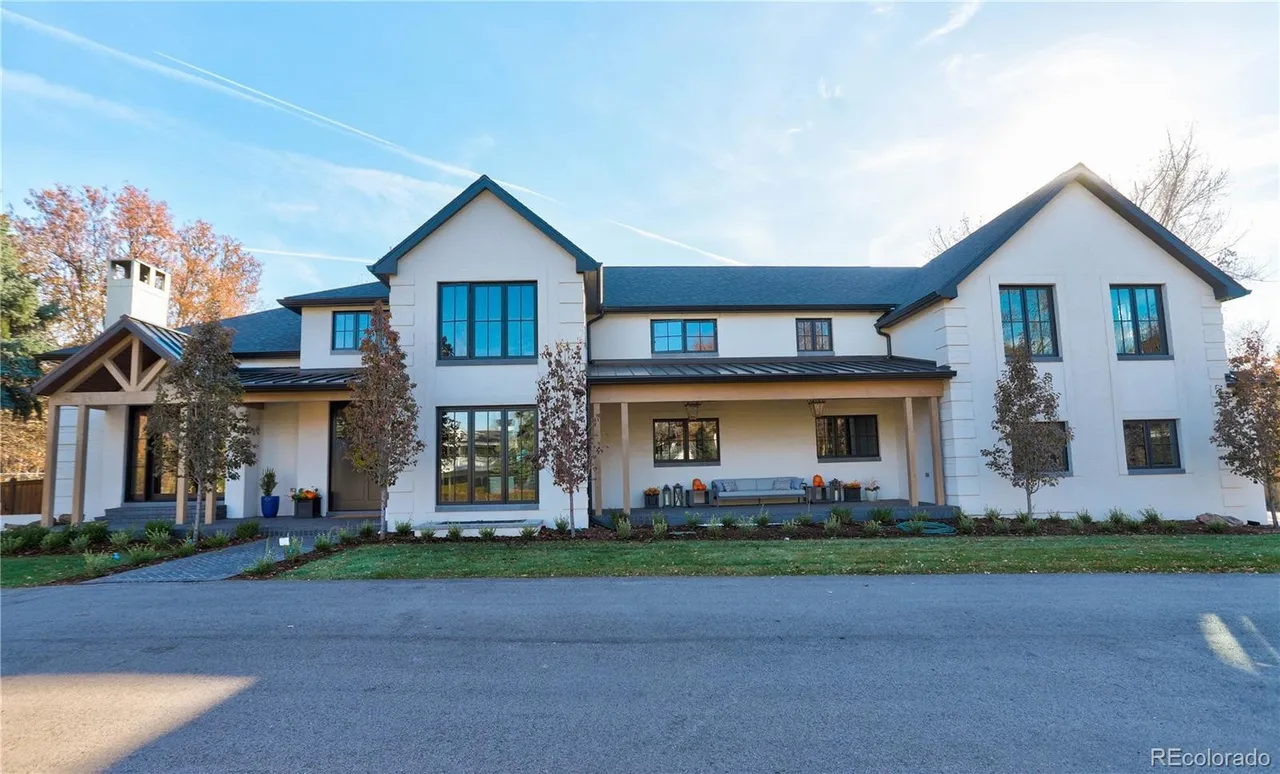

The Renovation Guide
What to expect, what it costs, and how to plan a whole-home renovation or addition before the work begins in Denver's established neighborhoods.
Inside This Guide
- IWelcome04
- IIRenovate, Add On, or Build06
- IIIWhat Is Actually Possible09
- IVThe Design Partnership12
- VBudget Reality15
- VIChoosing Your Builder18
- VIIThe Timeline21
- VIIILiving Through Construction24
- IXAdditions27
- XCommon Pitfalls30
- XIThe Anderson Process32
- XIINext Steps35
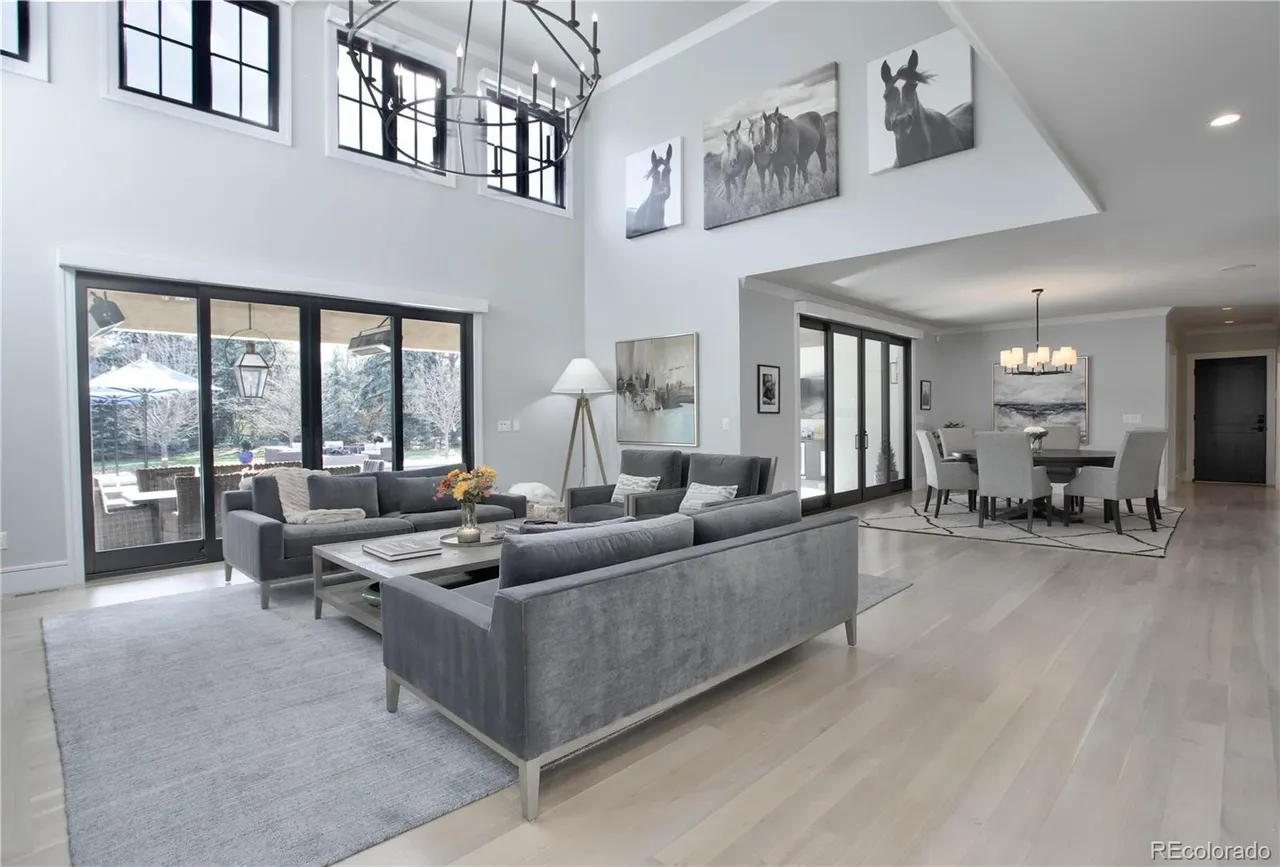
Welcome
A renovation is the most personal kind of construction. You are not building on an empty lot. You are changing the home you already live in.
For nearly twenty years, Anderson Construction has renovated and added on to homes across Cherry Hills Village, Greenwood Village, Castle Pines, and the foothills west of Denver. The questions homeowners ask in the first meeting tend to be the same ones.
What will this cost. How long will we be living in it. Can we stay in the house while it happens. What is going to turn up once the walls are open. Will the finished home be worth what we put into it.
This guide answers those questions in detail. It is written for homeowners who are seriously considering a whole-home renovation or a significant addition and want to understand the process before they commit to it.
Some of what follows is technical. Most of it is practical. None of it is sales material. The goal is to help you make a better decision, whether or not you ever end up working with Anderson.
How to read this guide
The chapters are sequenced the way a real renovation unfolds. The decision to renovate. What the existing home will allow. Design. Budget. Builder selection. Timeline. Living through the work. Additions. The final chapters explain how Anderson approaches renovations specifically, for readers who want to know what working with us looks like.
Skip what does not apply. Mark what does. The most useful pages are likely the ones on budget, living through construction, and common pitfalls. Those are the chapters that save homeowners money and frustration.
The ranges, timelines, and observations in this document reflect actual conditions in the Denver luxury market as of 2026. Costs and lead times change, and every existing home is different. Use these figures as a starting point for conversations, not as a fixed quote.
Who this is for
This guide is written for homeowners considering a substantial renovation or addition to a home worth keeping. The principles apply at every level, but the specifics, especially around budget, design coordination, and finish levels, are calibrated to luxury work.
If you are weighing a ground-up custom build instead, much of this still applies, but our Custom Home Guide may be the better primary reference.
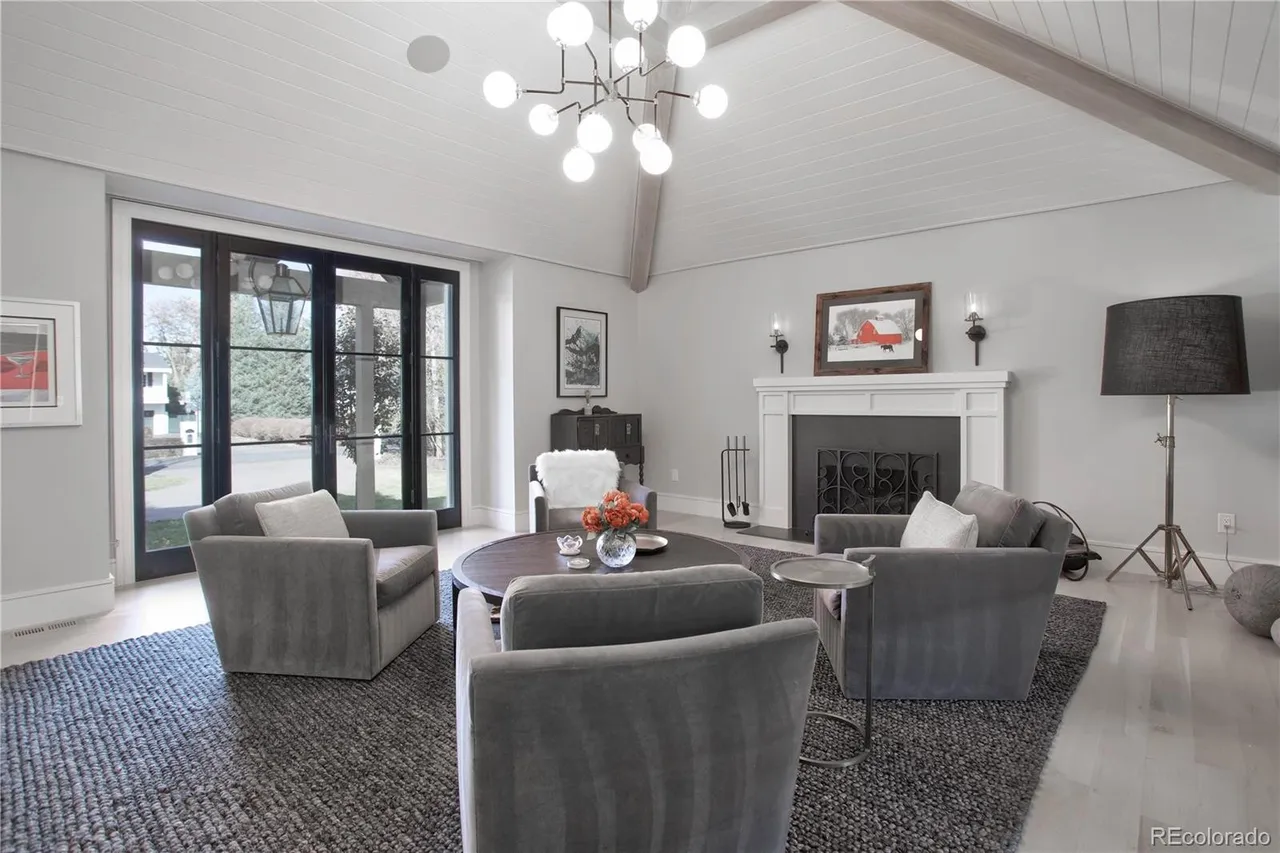
Renovate, Add On, or Build
The first real decision is not what to change. It is whether to improve the home you have, expand it, or start over.
When a family has outgrown a home they otherwise love, three options are usually on the table. Renovate the existing house. Add on to it. Or tear down and build new. Moving is the fourth, and sometimes the right one.
Each path has trade-offs. None is universally better. The right choice depends on the bones of the existing home, the lot, the ceiling on value in the neighborhood, and how attached the family is to staying where they are.
When a renovation makes sense
- The location and lot are ones you could not easily replace, and you want to stay.
- The home is structurally sound and the layout problems can be solved without moving the entire footprint.
- The cost to renovate is meaningfully less than building new or buying a comparable finished home.
- You love the home in most respects and want to bring a few areas up to current standards.
When an addition makes sense
- The home mostly works but is short on space, a larger primary suite, a bigger kitchen, another bedroom, or a dedicated work or living area.
- The lot and setbacks allow either a ground-level footprint or a second story.
- Expanding is less expensive and less disruptive than selling and buying up.
When building new is smarter
Sometimes the most honest answer is to start over. If the existing structure fights you at every turn, if the foundation or core systems are failing, or if the renovation cost begins to approach the cost of a rebuild, you may be spending heavily to work around compromises you will still feel for years.
If a ground-up build is on the table, our Custom Home Guide walks through that path in the same level of detail.
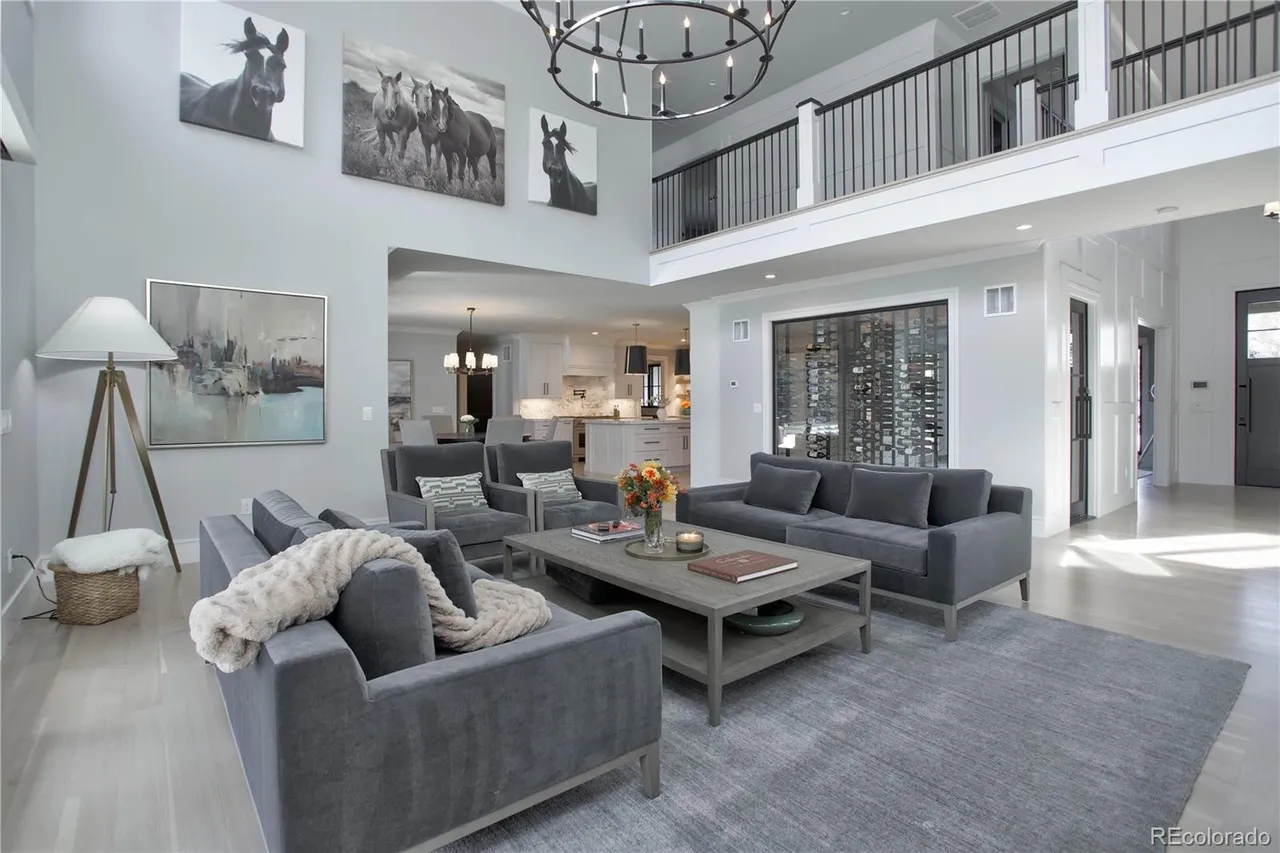
What Is Actually Possible
Before anyone draws a plan, it is worth understanding what the existing home and the site will actually allow.
This is the single biggest difference between a renovation and a new build. On a renovation, you inherit decisions someone else made decades ago, and you cannot see most of them until the work begins.
Reading the existing home
A good renovation starts with understanding what is already there. Which walls carry load and which do not. The condition of the foundation and framing. The age and capacity of the electrical, plumbing, and mechanical systems. What can stay and what has reached the end of its life.
A thorough pre-construction assessment answers these questions early, while they are still inexpensive to solve on paper rather than expensive to discover mid-project.
Site and setback realities
Additions in particular live or die by the site. Lot coverage limits, setbacks, and height restrictions determine whether you can expand outward, upward, or at all. In established communities like Cherry Hills Village, where large lots come with strong expectations about character and scale, these rules shape what is feasible before design even begins.
The unknowns behind the walls
Older homes hide things. Framing that was undersized by modern standards. Wiring or plumbing that needs to be replaced once it is exposed. Water damage no one knew about. The defining skill of a renovation builder is planning for discovery, not pretending it will not happen.
Where it is practical, we open up key areas during pre-construction rather than waiting for full demolition. Finding the surprises before the budget is locked is far less painful than finding them halfway through the project.

The Design Partnership
A renovation is a design problem and a construction problem at the same time. The two need to talk to each other from the start.
Anderson is not an architecture firm. We do not draw plans. What we do is work alongside your architect or designer throughout design, so the ideas on paper hold up once they meet the home that already exists.
What we contribute during design
- Constructability review, so the design can actually be built into the existing structure.
- Existing-conditions knowledge that is hard to see from drawings alone, which walls can move, where systems run, where cost is hiding.
- Honest budget feedback while changes are still inexpensive to make.
- Value engineering that protects the design intent while keeping the project in range.
If you do not have an architect yet
Many homeowners come to us before they have a designer in place. When that is the case, we are glad to help connect you with architects and designers whose work fits the home and the scope, and to be in the room as that relationship begins.
How a good design phase unfolds
The strongest renovations measure the existing home carefully, establish a clear scope, test feasibility against the site and structure, and align the design with the budget before the drawings are finalized. Decisions made in that order cost far less than decisions made out of it.
Budget Reality
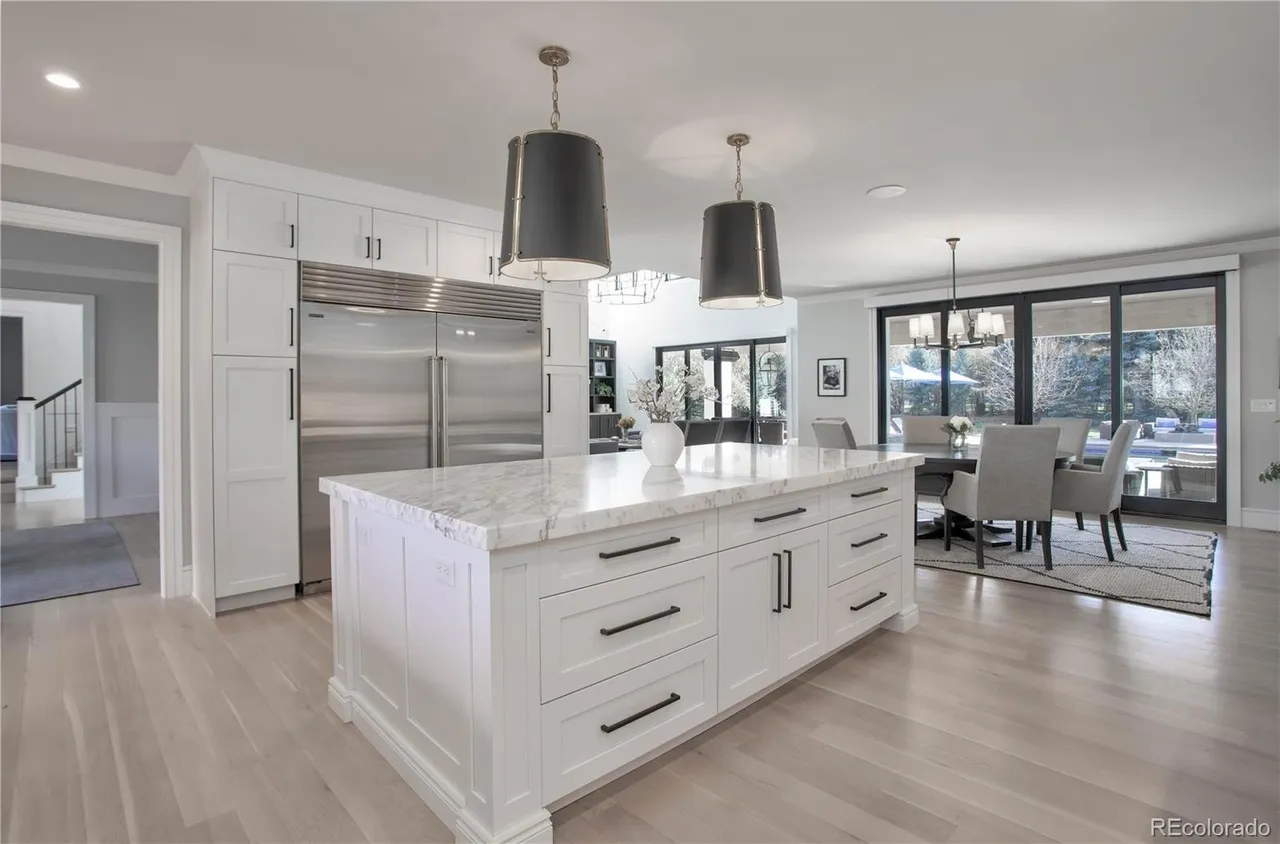
Renovation budgeting is different from new construction. It is less predictable, and the reason is the home itself.
On a new build, every square foot starts from zero and follows a known sequence. On a renovation, you are working inside and around decisions that were made long before you owned the home, and some of them do not reveal themselves until the work is underway.
Why renovation costs are harder to pin down
You inherit prior construction. You uncover conditions during demolition. You often need to match existing finishes and floor heights. And working carefully inside a finished, sometimes occupied home is simply slower than framing an open lot.
What drives the number
- Scope, whether the work is cosmetic, structural, or a full systems overhaul.
- How much you keep versus replace.
- Finish level and the complexity of the design.
- Added square footage, if the project includes an addition.
- Site access and how easily crews and materials can reach the work.
The role of contingency
Every renovation budget should carry a meaningful contingency, and it should be larger than you would set aside for new construction. This is not padding. It is the line that absorbs what the house reveals once the walls are open, and it is the difference between a surprise being a manageable adjustment and a stressful one.
Soft costs to plan for
Beyond construction, plan for design and engineering fees, permits, and, if you decide to move out during the work, temporary housing and storage. These are real numbers that belong in the budget from the beginning.
Renovation cost depends almost entirely on scope, and the fastest way to a realistic range is a short conversation about what you are considering. No fee, no pressure.
Book a Discovery Call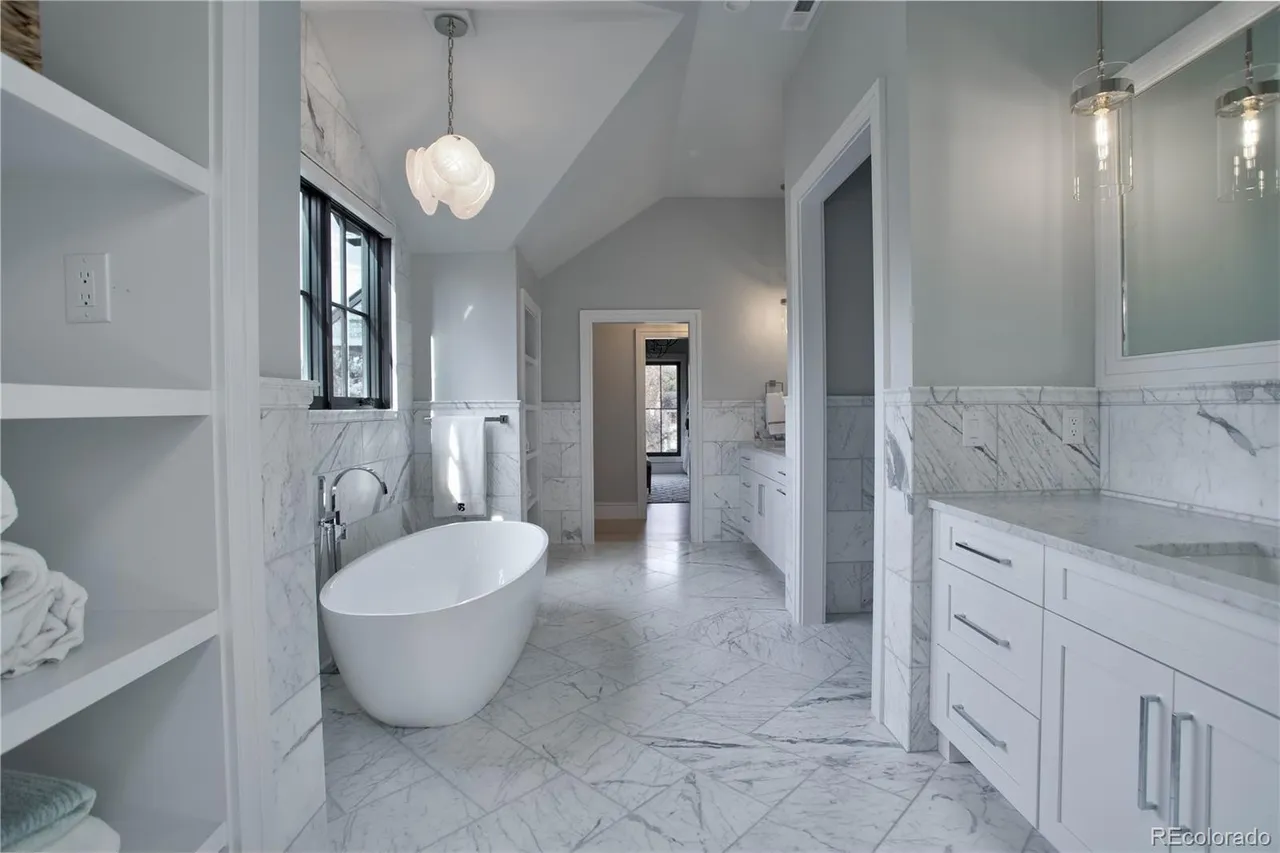
Choosing Your Builder
Renovation rewards a specific kind of builder. The skills that matter are not exactly the same ones a new build demands.
Building new is largely about execution on a clean site. Renovation is about judgment inside an existing home, the discipline to handle surprises well, and the care to protect everything you are keeping.
Questions to ask before you sign
- How many whole-home renovations and additions like mine have you completed in the last few years.
- How do you handle conditions you discover after demolition begins.
- What does your change-order process look like, and how will I see costs before work proceeds.
- How do you protect the finishes and areas of the home we are not touching.
- How do you coordinate with the architect on existing conditions.
- Can I speak with homeowners whose renovations you finished recently.
These questions and more are available as an interactive Builder Checklist you can work through during your interviews, with a path for renovations and additions.
Use the Builder ChecklistBeyond price
The lowest bid on a renovation is often the one that has not fully accounted for what the home will reveal. Look for a builder you trust to communicate clearly, to handle the unexpected without drama, and to have done this kind of work, in lived-in homes, many times before.
The Timeline
Renovations rarely move in a straight line. Knowing the phases, and where they tend to slow, sets honest expectations.
Phase by phase
- Design and feasibility, where scope, drawings, and budget come into alignment.
- Permitting and any required review.
- Pre-construction and discovery, including selective demolition to confirm conditions.
- Demolition of the areas being changed.
- Structural work and rough-in for mechanical, electrical, and plumbing.
- Inspections at each required stage.
- Finishes, the longest and most selection-dependent phase.
- Punch list and closeout.
Why renovations run long
The common causes are discovery surprises, long-lead materials and fixtures, decisions made or changed mid-project, and the simple reality that careful work inside an existing home takes time. A realistic schedule plans for all four.
What homeowners can do to keep the schedule on track
The single most useful thing a homeowner can do is make selections early and respond to decisions quickly. The second is to avoid changing scope once construction is underway. Late selections and mid-project changes are the two most reliable ways to add weeks to a renovation.
Living Through Construction
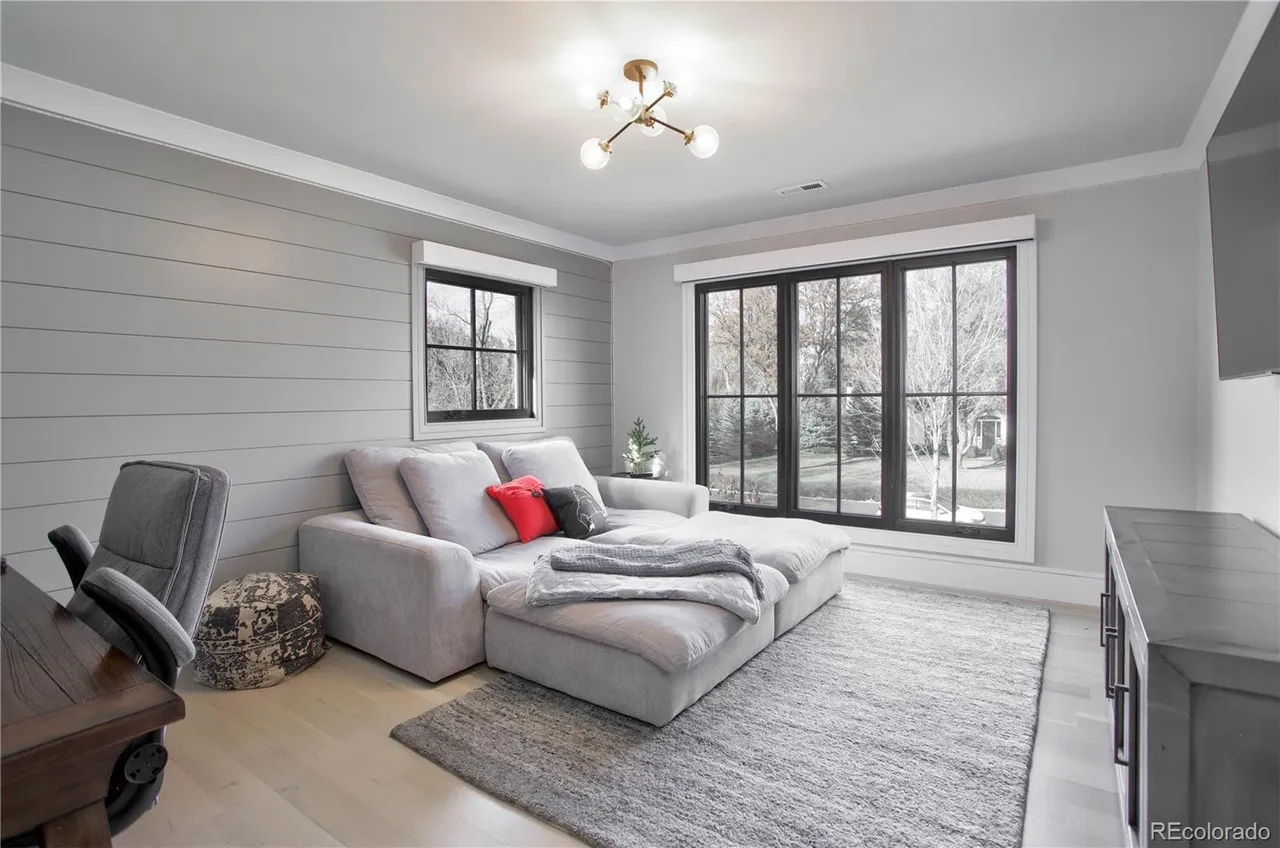
This is the question every renovation homeowner asks, and the one that most affects daily life. Do we stay, or do we move out.
There is no single right answer. It depends on the scope of the work, which rooms will be out of service, how long the project will run, and who is living in the home.
Stay or move out
Staying can work well for a focused renovation where the kitchen and at least one bathroom remain usable. It becomes much harder when the work is extensive, when the only kitchen or primary bath is being rebuilt, or when young children and pets are in the mix for many months. An honest conversation about the trade-offs, before the project starts, prevents a lot of strain later.
Containment and protection
If you stay, the quality of the dust barriers, the protection of the finishes you are keeping, and the daily discipline of securing the site matter enormously. A good crew treats the lived-in half of the home with the same care as the part under construction.
Communication cadence
Regular updates and a single point of contact keep a long renovation from feeling chaotic. You should always know what is happening this week, what is coming next, and who to call.
Being a good client
Expect some disruption, keep your selections moving, and raise concerns early rather than letting them build. The homeowners who come through a renovation happiest are usually the ones who stayed engaged and decisive.
Additions
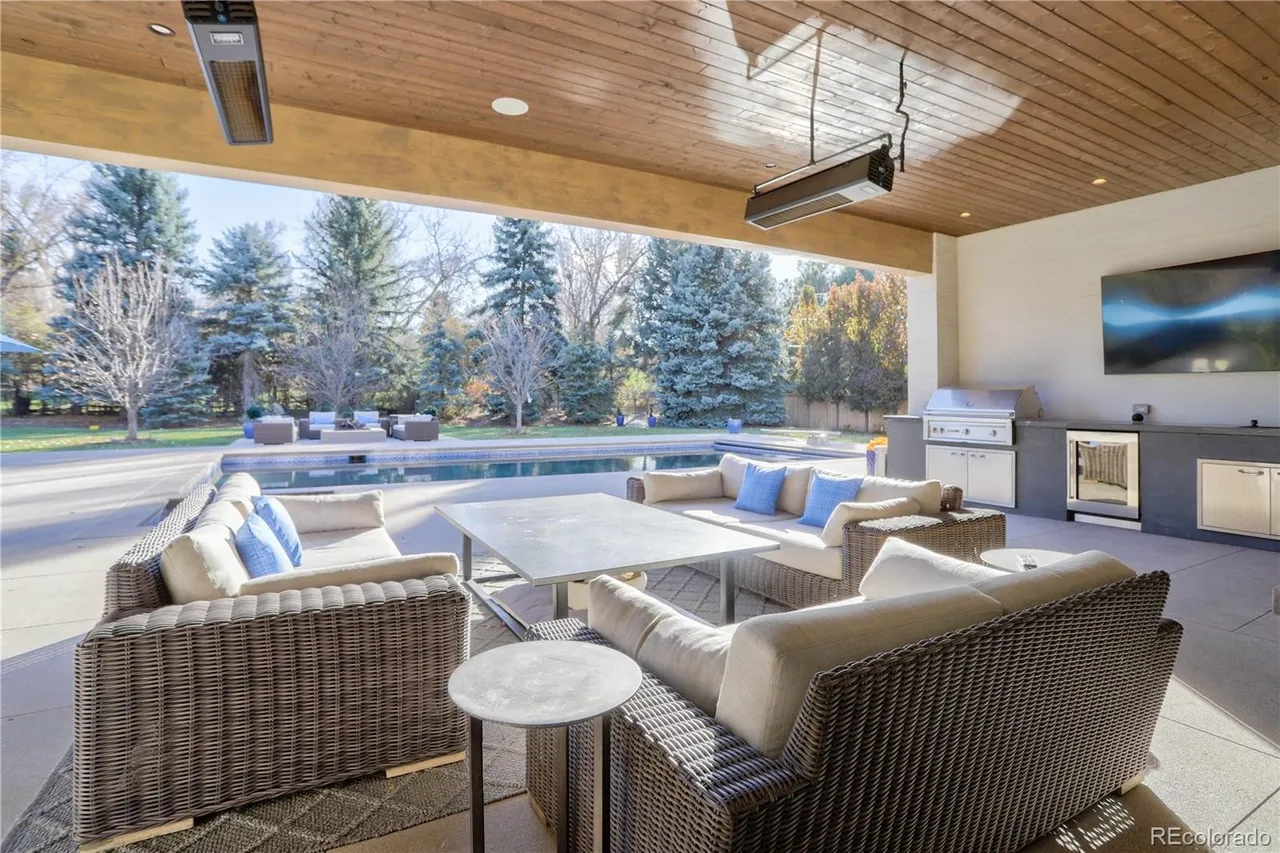
An addition is a renovation and a new build at the same time. The hardest part is rarely the new space. It is the seam where new meets old.
Up or out
Most additions go one of two ways. Out, by extending the footprint on the ground, which depends on lot coverage and setbacks. Or up, by adding a second story, which depends on whether the existing foundation and framing can carry the load. Each has cost and structural implications worth understanding before you fall in love with a plan.
Matching the existing home
A well-done addition does not look added. Rooflines, exterior materials, floor heights, and window styles all need to carry through, so the finished home reads as one design rather than two homes bolted together. This is where experience shows.
Tie-ins that hold up
The connection between old and new is where additions succeed or fail over time. Foundation tie-ins, structural integration, extending mechanical and electrical systems, and properly weatherproofing the junction all have to be done right. Done poorly, the seam is where you will see cracks and feel drafts in a few years.
Common types of addition
The most frequent requests we see are primary suite additions, kitchen and great-room expansions, second-story additions, and accessory or garage structures. Each follows the same principles, with its own structural and design considerations.
Common Pitfalls
Most renovation regret comes from a short list of avoidable mistakes. Here are the ones we see most often.
Underestimating discovery
Treating the budget as fixed when the home has not been opened up yet. A renovation without a real contingency is a plan that assumes nothing will surprise you.
Choosing a builder on price alone
The lowest renovation bid is often the least complete. What looks like savings up front frequently returns as change orders later.
Skipping pre-construction
Rushing into demolition before scope, conditions, and budget are aligned. The work done before the work is where renovations are won or lost.
Scope creep
Adding to the project once it is underway. Every mid-project addition costs more and takes longer than the same item planned from the start.
Late selections
Finishes, fixtures, and appliances chosen too late stall the most expensive phase of the job.
Ignoring how the addition meets the existing home
Focusing on the new space and neglecting the tie-in, the rooflines, and the materials that make an addition look intentional.
Over-renovating past the neighborhood ceiling
It is possible to invest more than a given street will return. A builder who knows your market will tell you where that line is.
The Anderson Process
For readers who want to know what working with us actually looks like, here is how an Anderson renovation moves from first call to final walkthrough.
Discovery call
A short conversation about the home, what you want to change, your timing, and a realistic sense of budget and scope. No fee and no obligation.
Feasibility and existing-conditions review
We look at what the home and site will allow, flag the likely surprises, and help frame a scope that fits both the house and the budget.
Design collaboration
We work alongside your architect or designer, contributing constructability review, existing-conditions knowledge, budget feedback, and value engineering, and we help connect you with the right design partner if you do not have one yet.
Transparent budgeting
A detailed budget with a contingency sized to the realities of the home, and a clear change-order process so you always see costs before work proceeds.
Construction with care
Careful protection of the parts of the home you are keeping, a clean and secure site, regular updates, and a single point of contact throughout.
Closeout and warranty
A thorough punch process, a proper handover, and support after the project is complete.
Building, renovating, and adding on across Denver's luxury enclaves for nearly twenty years. Whole-home renovations, additions, and custom builds. Active design-phase collaboration. A licensed Colorado contractor and a member of the National Association of Home Builders.
Next Steps
What to do with this guide once you close it.
The point of this document is not to make a sale. It is to help a family thinking about a renovation or addition make a better decision about whether, when, and how to proceed.
If you are early in the process, the most useful next step is usually a short call. Thirty minutes to talk through what you are considering, what your timing looks like, and what kind of project actually fits.
What a discovery call covers
- The home you have, what you want it to do, and the changes you are considering.
- Whether your goals point toward a renovation, an addition, or something larger.
- Whether you plan to stay in the home during construction, and what that would involve.
- A realistic conversation about budget, timeline, and the likely unknowns in a home of its age.
There is no fee, no pressure, and no obligation. Most calls end with a clear sense of next steps, whether or not those steps include Anderson.
If you are not ready yet
Some readers will close this guide and decide the timing is not right. That is a useful outcome. If your renovation is a year or more out, the most valuable thing you can do now is get early feasibility input, so that when you are ready, you are starting from clarity rather than guesswork.
Stay in touch
Anderson also publishes a Custom Home Guide for homeowners considering a ground-up build, along with guides to building in each of our primary markets. If any of those would be useful, we are happy to send them along.
Questions about anything in this guide can be sent to admin@anderson-construction.info or called in to (720) 594-3711. We read everything that comes in and respond within one business day.
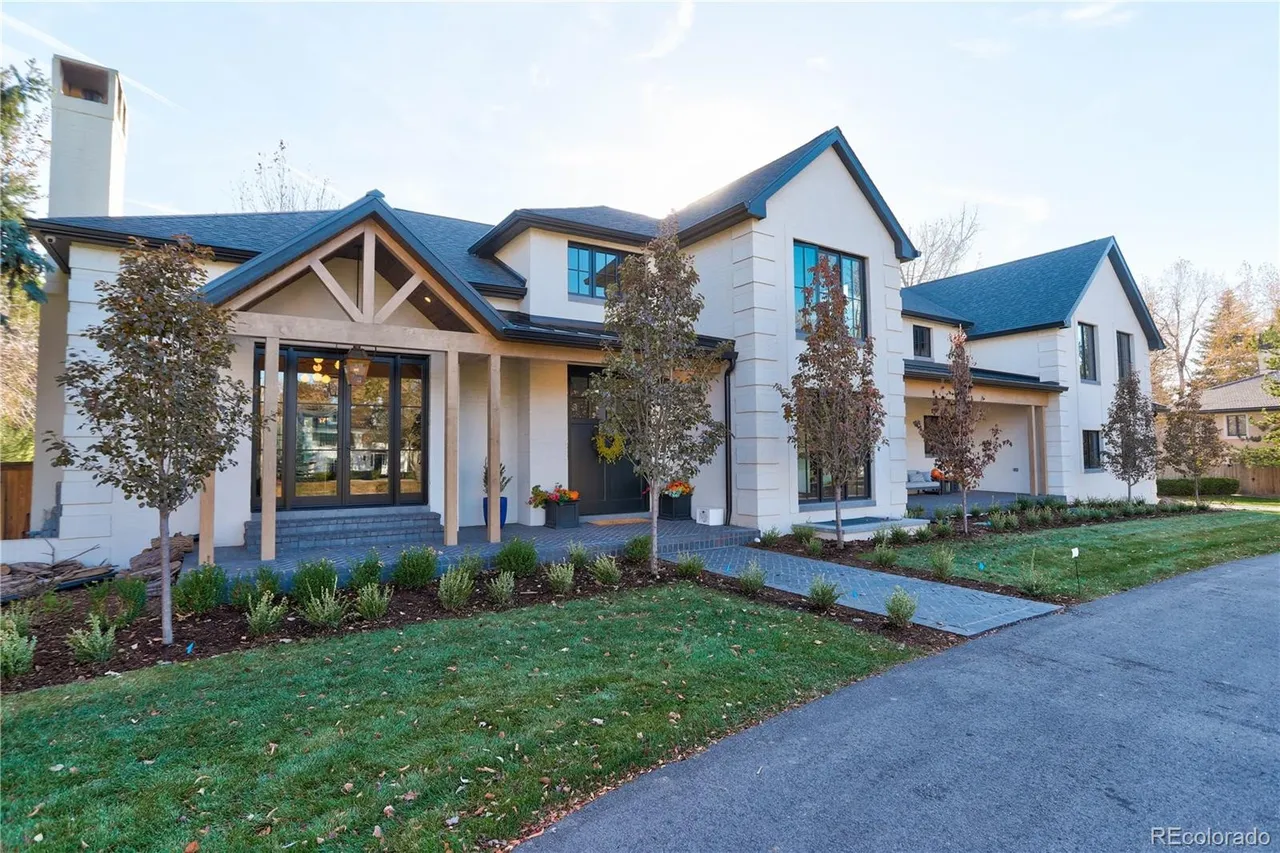
Renovate with confidence.
A renovation is a long project inside the home you live in. The right builder makes the difference between a great experience and a hard one. Anderson Construction has been renovating and adding on across Denver's luxury enclaves for nearly twenty years. We would be glad to talk through your project.
Schedule a Discovery Call(720) 594-3711 · admin@anderson-construction.info
Cherry Hills Village · Greenwood Village · Castle Pines